
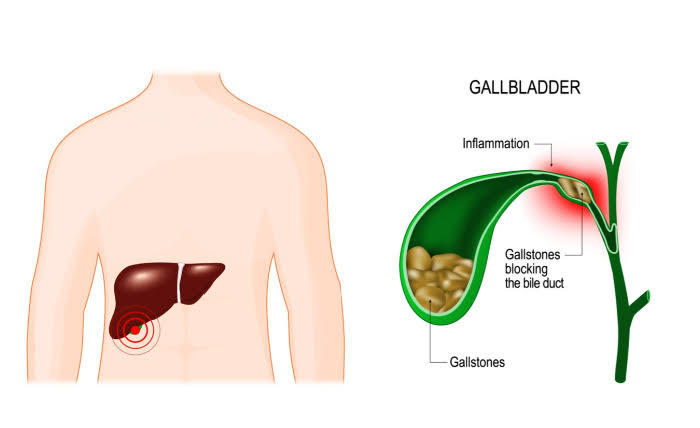
Gallstones refer to hard particles that are usually very small and found within the gallbladder.... View Details
- 23
- June, 2026
Dr. Ashish Vashistha is a distinguished General, Gastrointestinal, Bariatric, Metabolic, Hernia and Robotic Surgeon with nearly three decades of experience in advanced surgical practice, clinical leadership, postgraduate education, and the advancement of minimally invasive surgery in India. He currently serves as the Principal Director and Head of the Department of General Surgery & Robotics at Max Super Speciality Hospital, Saket, New Delhi, where he leads one of the country's premier surgical units dedicated to advanced laparoscopic and robotic surgery.
Know More About
For patients searching for a gallbladder surgeon in Delhi, Dr. Ashish Vashistha offers both laparoscopic and robotic cholecystectomy (gallbladder removal) for gallstones, chronic cholecystitis, and related gallbladder disease. As a robotic gallbladder surgeon in Delhi, he uses the robotic platform's 3D visualization and precise instrumentation where appropriate, while laparoscopic gallbladder surgery remains a well-established, effective option for the majority of patients.
Whether a case calls for standard laparoscopic gallbladder surgery or a robotic-assisted approach, the aim is the same: safe removal of the gallbladder through small incisions, reduced post-operative pain, and a quicker return to normal activity compared with open surgery. Patients experiencing gallbladder stones or gallbladder pain can discuss which approach is appropriate for their condition during consultation.
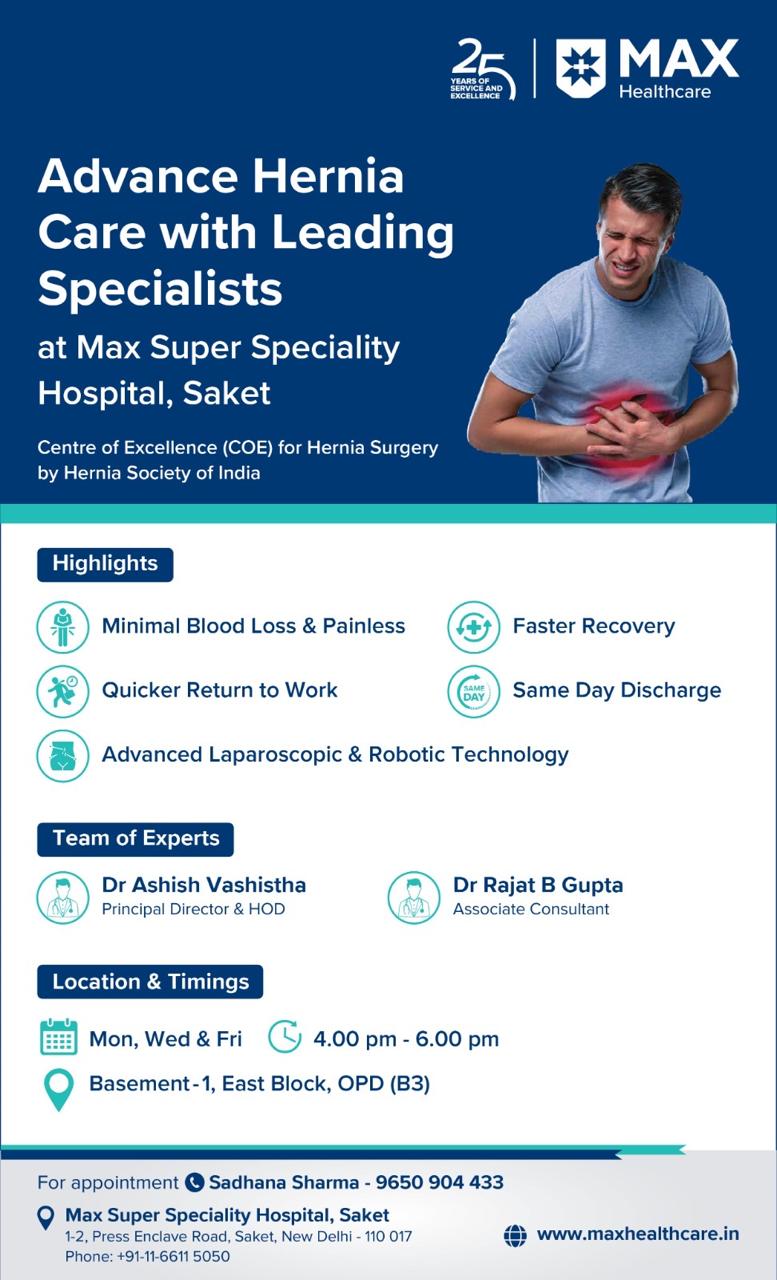
Consult a Gallbladder Doctor in DelhiAs a hernia surgeon in Delhi, Dr. Vashistha treats inguinal, umbilical, femoral, and hiatal hernias using laparoscopic and robotic mesh repair techniques. His hernia unit has been recognized as a Centre of Excellence for Hernia Surgeries by the Hernia Society of India, reflecting a sustained focus on hernia care specifically, rather than hernia surgery as one service among many unrelated specialties.
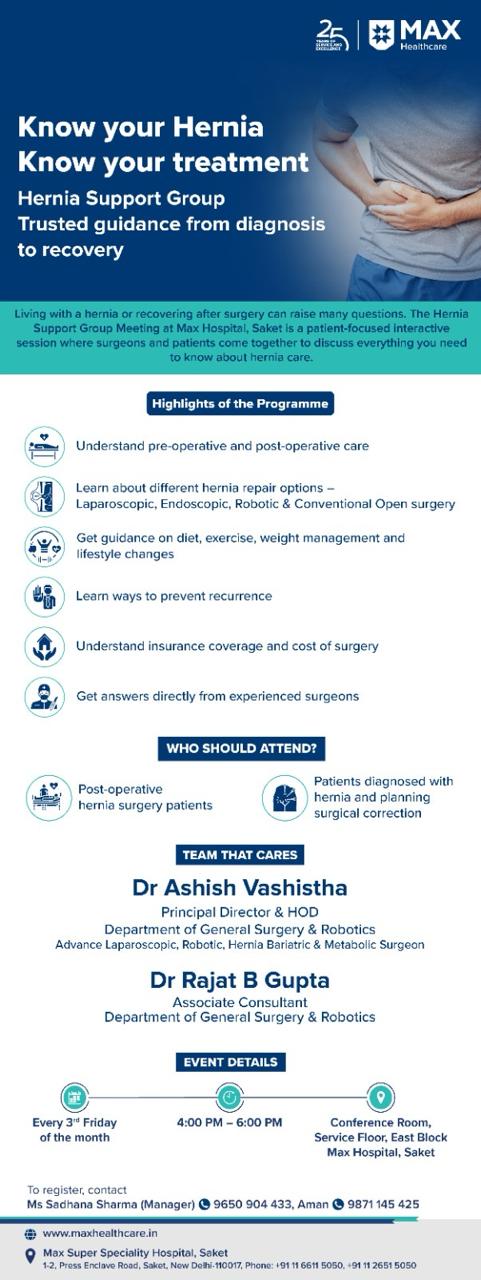
Patients searching for a hernia specialist in Delhi are evaluated individually — the choice between laparoscopic and robotic repair, and the type of mesh used, depends on the hernia's size, location, and the patient's overall health, decided together with the surgeon during consultation.
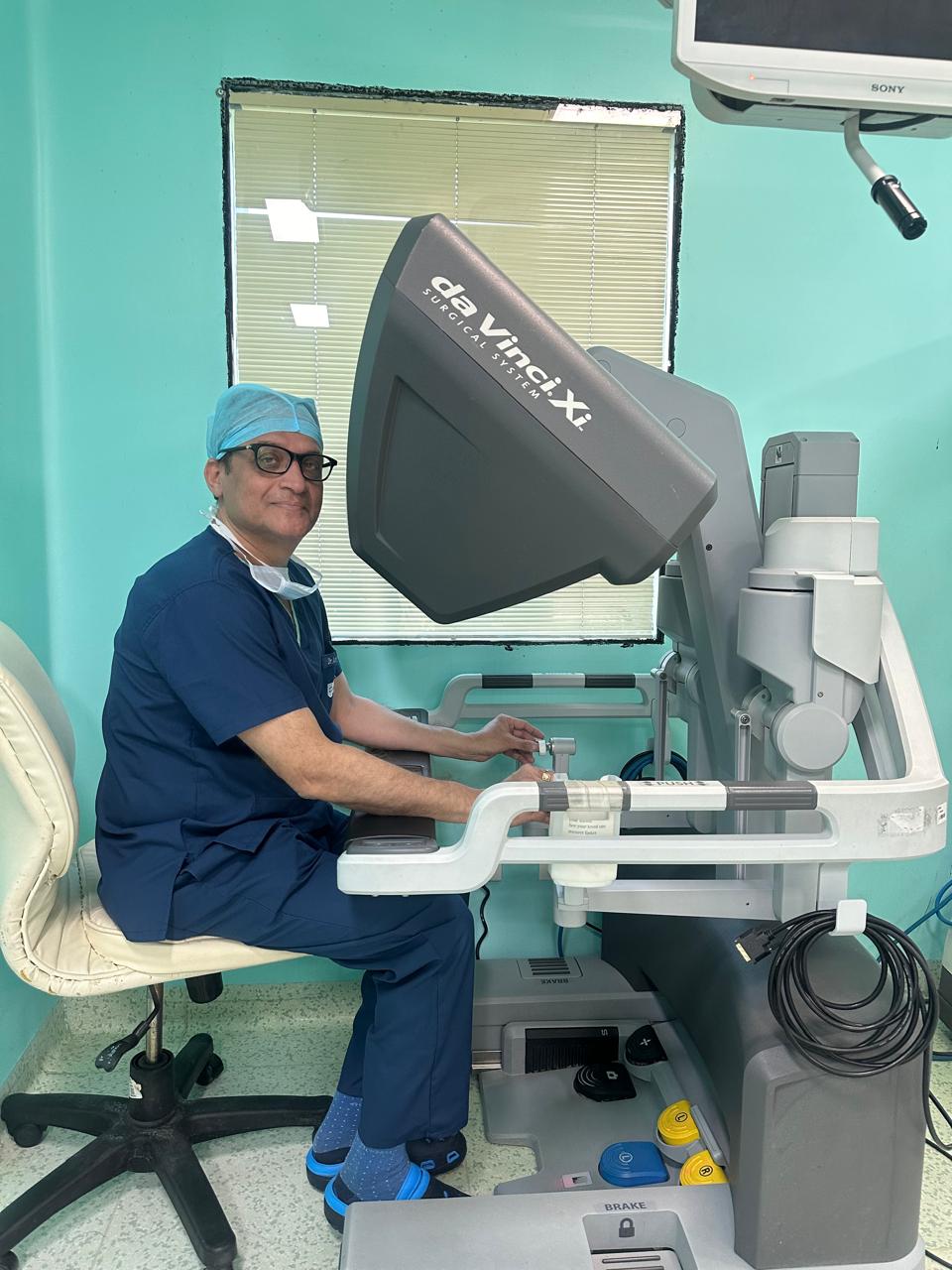
Robotic hernia surgery uses robotic arms controlled from a console, giving the surgeon a magnified 3D view and a wider range of instrument motion for precise mesh placement. This can be particularly useful for complex, recurrent, or bilateral hernia cases, where the added precision of a robotic hernia surgeon in Delhi may support more accurate repair.
Laparoscopic hernia surgery — sometimes called keyhole hernia repair — is performed through a few small incisions using a camera and specialized instruments. It remains a well-proven, minimally invasive option for most inguinal and umbilical hernia repairs, offering less pain and faster recovery than open surgery.
Incisional hernia is a bulge at a previous surgical cut on the abdomen.
Know More →Dr. Ashish Vashistha is a Senior Bariatric and Metabolic Surgeon who founded bariatric surgery programs at Max Healthcare and in Central India. As a bariatric surgeon in Delhi, he offers robotic and laparoscopic weight-loss surgery, including gastric sleeve, gastric bypass and gastric banding procedures, for patients who meet clinical eligibility criteria, generally a BMI of 40 or above, or 35–39.9 with obesity-related conditions such as diabetes, hypertension or sleep apnea.
As a robotic weight loss surgeon, Dr. Vashistha's approach includes nutritional and psychological assessment before surgery to help ensure patients are prepared for both the procedure and the lifestyle changes that follow it. Bariatric surgery is not presented as a guaranteed weight-loss solution; outcomes depend on the individual patient, procedure type, and adherence to post-surgical guidance.
Robotic surgery uses a console-controlled robotic system that translates the surgeon's hand movements into precise, filtered instrument movements inside the body, viewed through a high-definition 3D camera. Laparoscopic surgery, the more established minimally invasive technique, uses a camera and long-handled instruments through a few small incisions.
Both approaches aim to reduce incision size compared with open surgery, which can mean less post-operative pain, a shorter hospital stay, and a faster return to normal activity for suitable patients. Not every patient or every surgical situation is suited to a robotic or laparoscopic approach — the right technique depends on the diagnosis, the complexity of the case, and the patient's overall fitness for surgery, assessed individually rather than assumed as a default.

Explore our range of medical services designed to provide comprehensive
care for your health!

Gallbladder surgery removes the gallbladder to treat gallstones, pain, or infections
View Details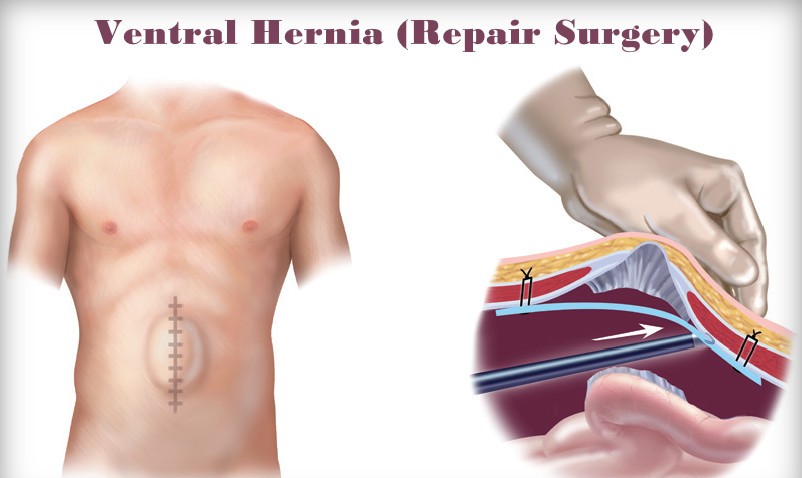
Hernia surgery repairs weak abdominal muscles to prevent bulging, pain, and complications.
View Details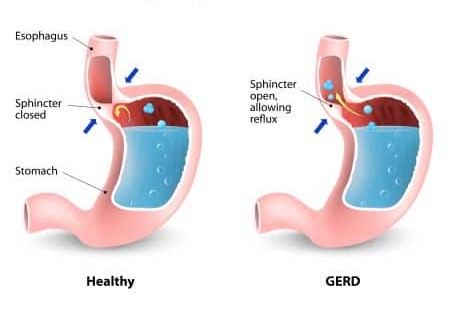
GERD surgery strengthens the lower esophageal sphincter to reduce acid reflux symptoms.
View Details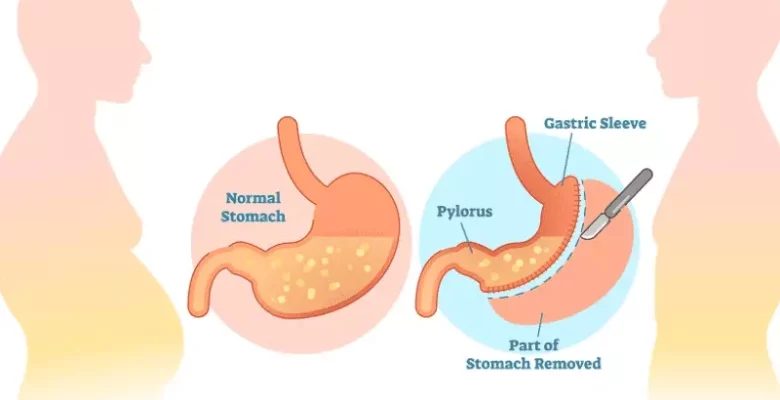
Bariatric surgery aids weight loss by reducing stomach size and improving metabolic health.
View Details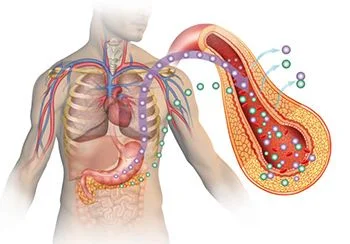
Diabetes surgery improves blood sugar control by altering digestion and enhancing insulin sensitivity.
View Details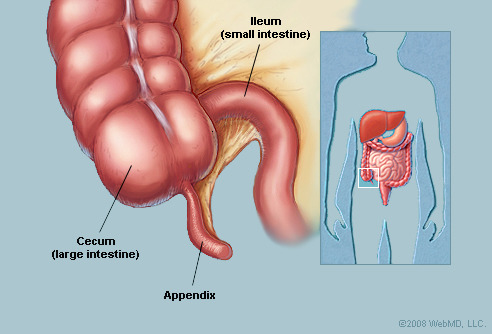
Appendix surgery removes the inflamed appendix to prevent rupture and serious complications.
View Details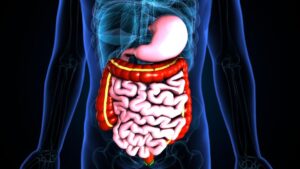
Intestine surgery treats blockages, damage, or disease by removing or repairing intestinal sections.
View Details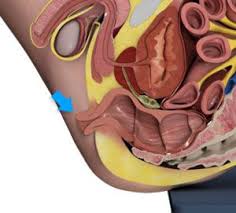
Rectal prolapse surgery repairs weakened tissues to restore rectum position and prevent complications.
View Details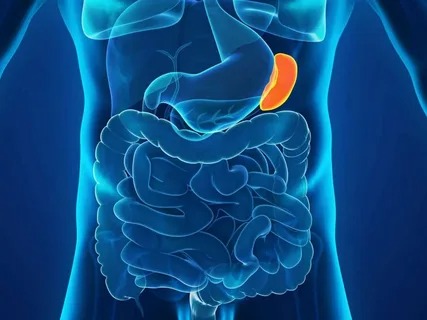
Spleen surgery removes the spleen to treat rupture, disease, or abnormal blood conditions.
View Details
Adrenal gland surgery removes one or both glands to treat tumors or hormone disorders.
View Details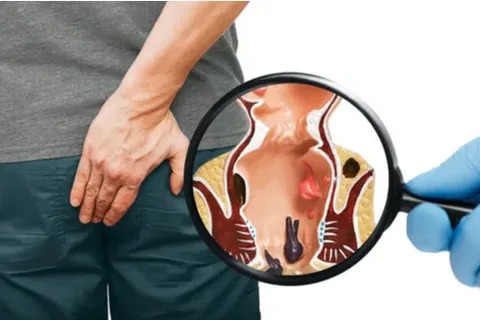
Piles surgery treats swollen veins in the rectum or anus to relieve pain and bleeding.
View Details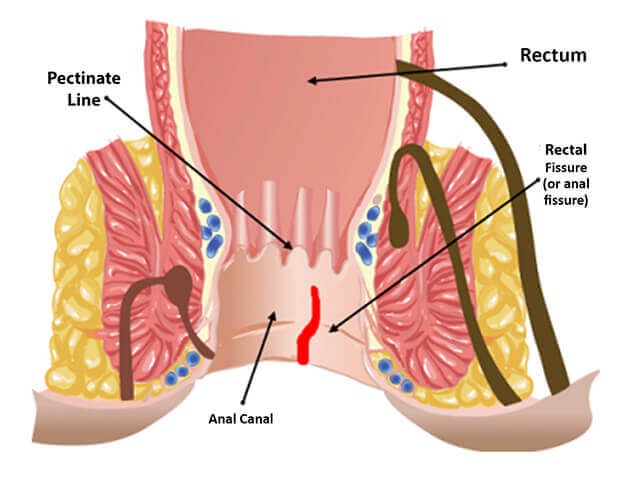
Fissure surgery treats tears in the anal lining to reduce pain and promote healing.
View Details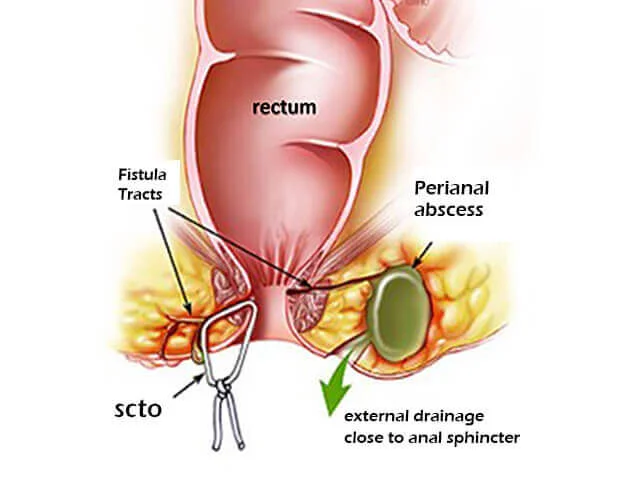
Fistula in ano surgery treats abnormal anal connections to prevent infection and heal properly.
View Details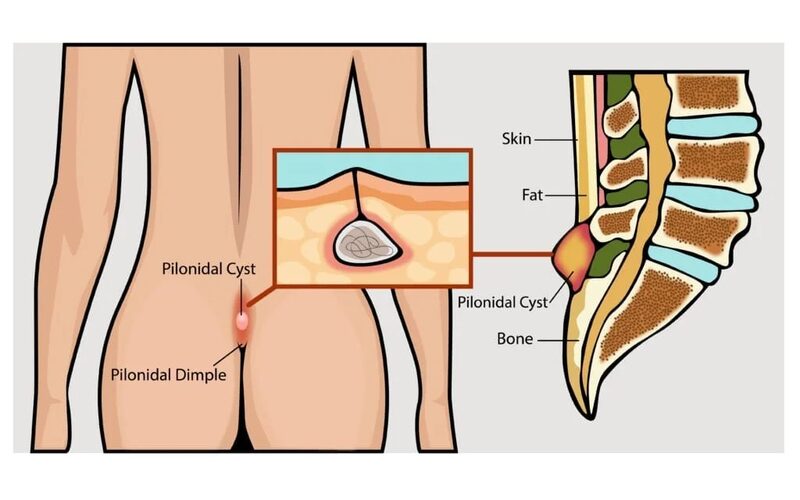
Pilonidal sinus surgery removes infected tissue near the tailbone to prevent recurring abscesses.
Led by a surgeon with 28+ years of experience in laparoscopic, bariatric and robotic surgery
Practice recognized as a Centre of Excellence for Hernia Surgeries by the Hernia Society of India (HSI)
Based at Max Super Speciality Hospital, Saket — a full-service tertiary hospital
Focused specifically on gallbladder, hernia and bariatric/metabolic surgery
Access to both laparoscopic and robotic surgical platforms, with the approach selected per patient
Fellowship-trained in minimal access surgery (FIAGES, FNBE-MAS)
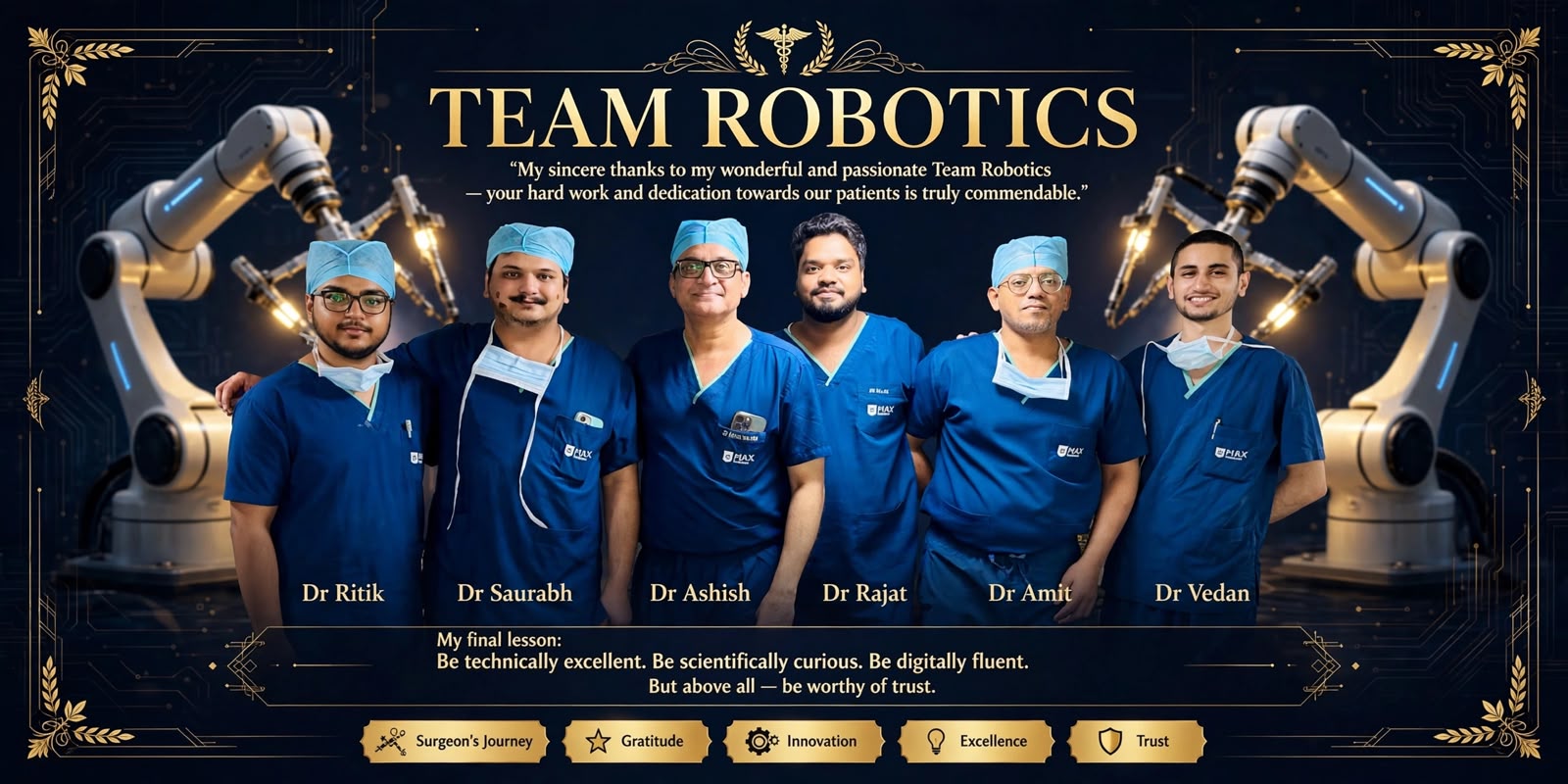

Our patients trust us for our compassionate care, advanced treatment methods, and consistent results.
Browse our gallery to see moments from our hospital, facilities,
and patient care

Gallstones refer to hard particles that are usually very small and found within the gallbladder.... View Details

Type 2 diabetes mellitus is one of the major lifestyle diseases in India. Even after decades of depending on drugs, insulin shots...... View Details
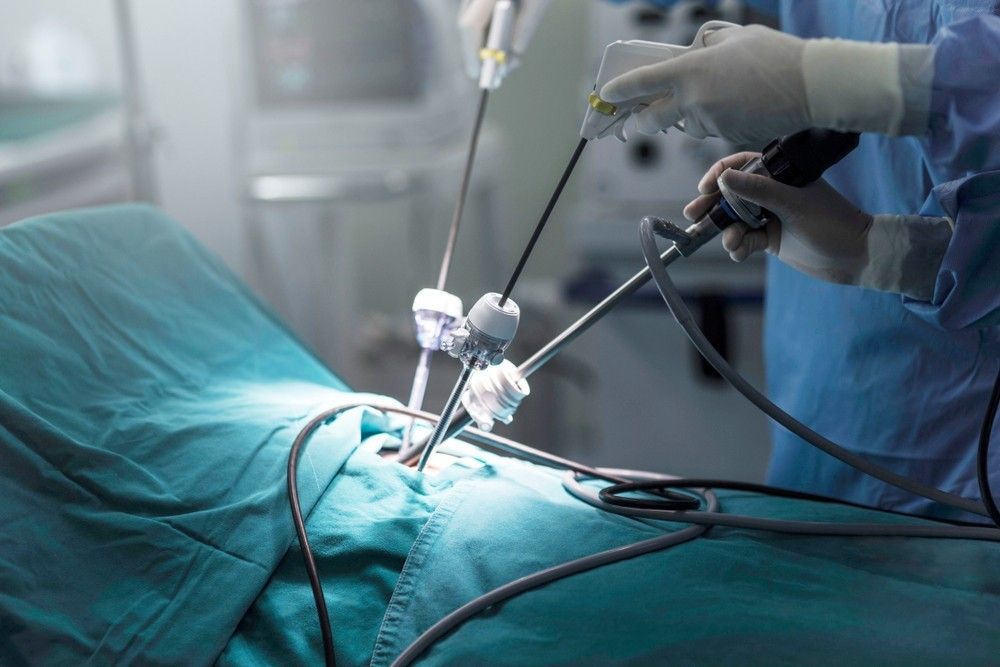
Depending on the patient’s condition, surgeons may decide which technique to perform for a patient, either through laparoscopy.... View Details
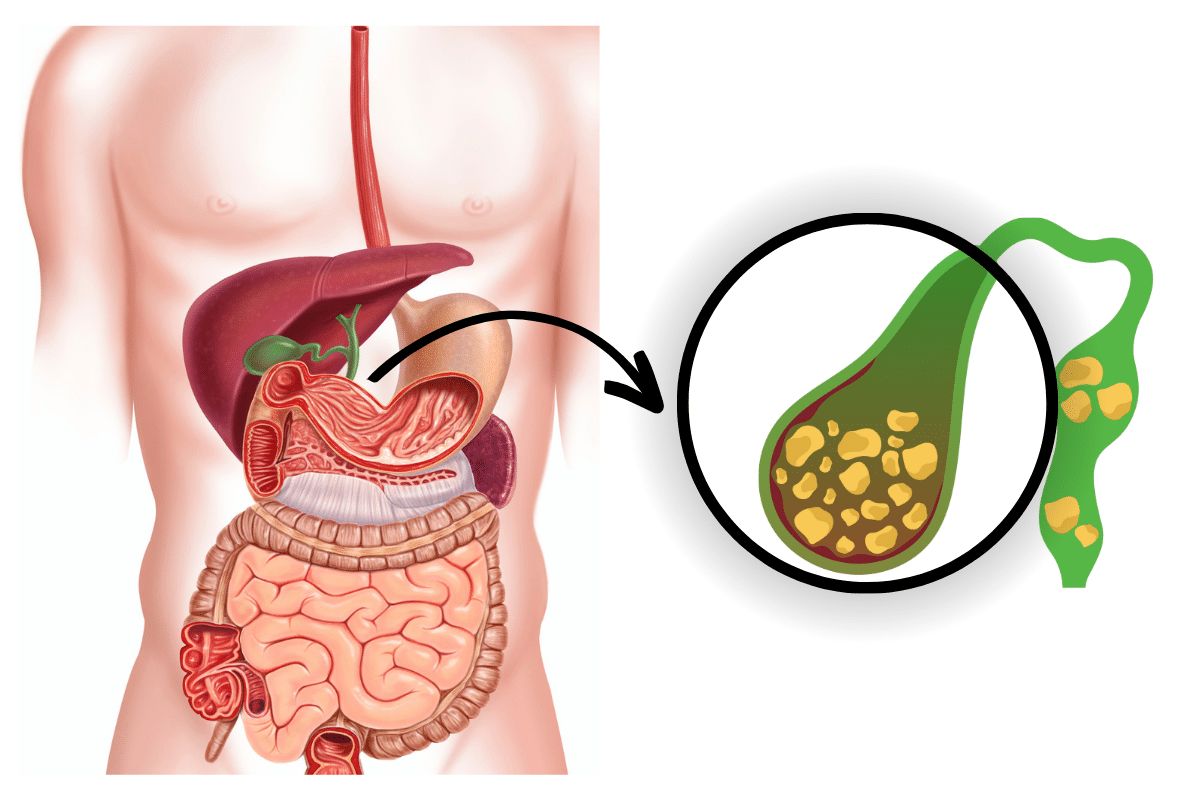
Gallstone disorders affect many people, but not all.... View Details
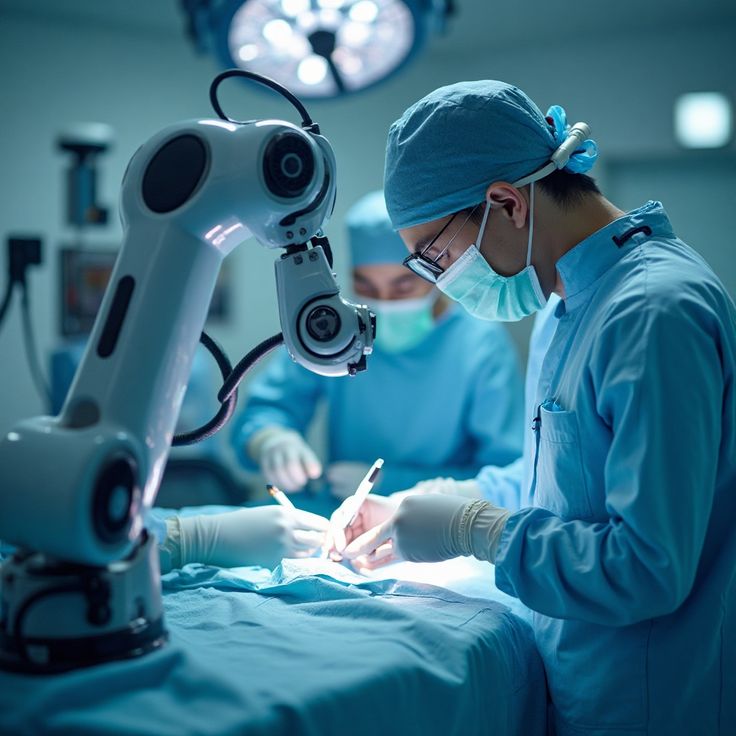
A hernia is a common health problem, and it occurs when some part of the body bulges out through... View Details
Undoubtedly, technology has grown a lot in recent years. The healthcare industry is no way behind!... View Details
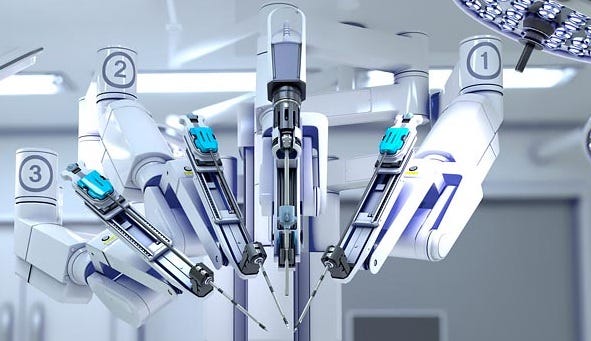
For more than 28 years, Dr. Ashish Vashistha has been known as a Senior Bariatric.... View Details
Real stories and feedback from patients we've cared for.