Introduction
Type 2 diabetes mellitus is one of the major lifestyle diseases in India. Even after decades of depending on drugs, insulin shots, and a strict diet to manage their disease, many people still struggle to regulate their sugar levels.
Surgery for type 2 diabetes treatment has become an advanced option for selected diabetic patients with obesity and uncontrolled blood sugar levels. These procedures help improve insulin resistance, support better sugar control, and may reduce dependence on medications.
Today, diabetes metabolism surgery in India is gaining popularity because of its promising long-term metabolic benefits.
What is Surgery for Type 2 Diabetes Treatment?
Surgical treatment for type 2 diabetes involves procedures that improve insulin sensitivity and reduce insulin resistance.
Metabolic surgery for diabetes in India mainly targets the digestive system and the hormones responsible for sugar metabolism.
Many patients ask, “How does diabetes surgery work?” The answer lies in hormonal and metabolic changes that improve blood sugar regulation after surgery.
Common Procedures Include:
- Gastric bypass for diabetes
- Sleeve gastrectomy diabetes surgery
- Mini gastric bypass
- Bariatric surgical interventions
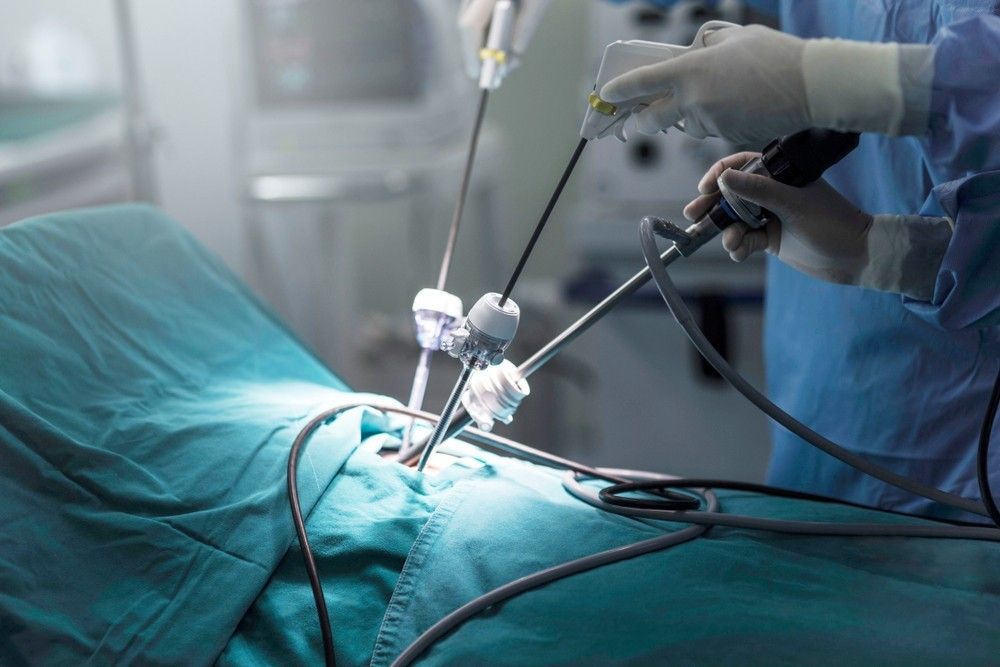
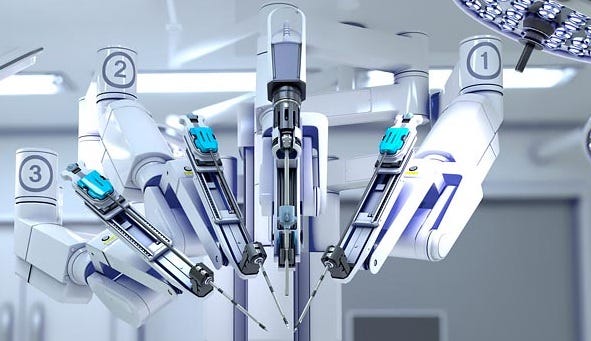
Laparoscopic diabetes surgery in India is commonly preferred due to smaller incisions, less pain, and faster recovery.
How Does Diabetes Surgery Take Effect?
In diabetes surgery, the digestive tract is modified to improve insulin sensitivity and reduce insulin resistance.
After surgery:
- Food reaches the small intestine faster
- Hormonal changes improve sugar metabolism
- Appetite reduces significantly
- Weight loss improves overall metabolic function
- Diabetes medications and insulin dependence may decrease
There is also increased production of GLP-1 after surgery. Activation of GLP-1 receptors stimulates insulin secretion and improves blood sugar control.
Benefits of Diabetes Surgery
Studies on bariatric surgery and diabetes remission have shown promising results in patients with obesity and uncontrolled diabetes.
Potential Benefits Include:
- Better blood sugar control
- Lower fasting glucose levels
- Reduced insulin requirements
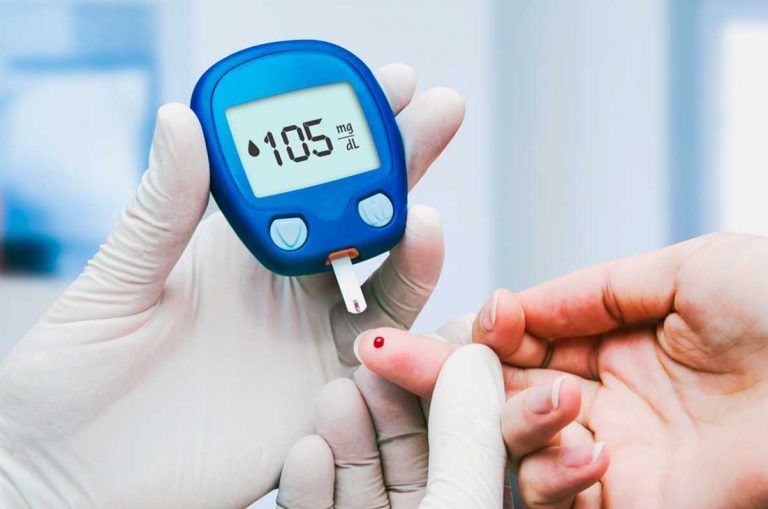
- Controlled HbA1c levels
- Significant weight loss
- Improvement in blood pressure and cholesterol levels
- Relief from fatty liver disease, sleep apnea, and joint pain
Can Diabetes Be Cured by Surgery?
A common question among patients is, “Can diabetes be cured by surgery?”
While surgery is not considered a permanent cure, many patients achieve long-term diabetes remission.
Remission Means:
- Stable blood sugar levels
- Normal HbA1c levels
- No need for diabetes medication for several months
Lifestyle management and regular follow-ups remain important even after surgery.
Who Is Eligible for Diabetes Surgery?
Doctors follow specific diabetes surgery eligibility criteria before recommending surgery.
General Eligibility Includes:
- BMI greater than 37.5 with uncontrolled diabetes
- BMI greater than 32.5 with diabetes-related health conditions
- Poor glucose control despite medications
Since Indians tend to develop diabetes at lower BMI levels, metabolic surgery for diabetes in India may be considered earlier for eligible patients.
Types of Surgery Used for Diabetes Treatment
1. Gastric Bypass for Diabetes
This is one of the most effective procedures for diabetes remission.
In gastric bypass surgery, the stomach size is reduced, and part of the intestine is bypassed.
Benefits Include:
- Faster insulin response
- Better sugar control
- Significant weight loss
- Reduced dependence on diabetes medicines
2. Sleeve Gastrectomy Diabetes Surgery
This procedure involves removing a large portion of the stomach.
It is highly popular because of its simpler surgical approach and effective outcomes.
Is Diabetes Surgery Safe?
Diabetes surgery is generally considered safe when performed by experienced surgeons.
Modern procedures such as gastric bypass for diabetes and sleeve gastrectomy are minimally invasive and commonly performed laparoscopically.
Possible Risks Include:
- Infection
- Bleeding
- Malnutrition
- Heartburn
- Other surgical complications
Most patients recover within 2–4 weeks after surgery.
IDF Guidelines for Diabetes Surgery
The IDF guidelines for diabetes surgery support metabolic surgery for selected patients with obesity and uncontrolled type 2 diabetes.
Doctors Usually Evaluate:
- Body Mass Index (BMI)
- Diabetes duration
- Pancreatic function
- Overall health condition
The BMI cut-off for diabetes surgery in India is lower compared to Western populations.
Metformin vs Surgery Outcomes
When comparing metformin vs surgery outcomes, surgery often provides more long-term metabolic benefits in suitable patients.
Surgery Can Improve:
- Insulin sensitivity
- Hormonal balance
- Weight management
- Diabetes remission potential
Gut hormone changes after bariatric surgery play a major role in improving glucose metabolism.
T2DM Medication Reduction After Surgery
One of the biggest advantages of surgery is that many patients can reduce or even stop:
- Insulin injections
- Metformin
- Oral diabetes medications
Significant HbA1c reduction after surgery is commonly observed within the first year.
Type 2 Diabetes Remission Criteria
Doctors evaluate remission based on:
- Stable blood sugar levels
- Normal HbA1c readings
- No diabetes medications for several months
Although surgery may not permanently cure diabetes, many patients achieve long-term remission and better metabolic health.
Long-Term Diabetes Surgery Results
Long-term diabetes surgery results are promising for many patients.
Benefits May Include:
- Sustained weight loss
- Better quality of life
- Reduced heart disease risk
- Improved long-term blood sugar control
Long-term success depends on:
- Balanced nutrition
- Regular exercise
- Routine physician consultations
- Vitamin supplementation
- Continuous monitoring
Lifestyle After Diabetes Surgery
Healthy Diet
- Eat protein-rich meals
- Avoid sugary foods
- Maintain portion control
Exercise
- Exercise daily
- Include strength training
- Maintain a healthy body weight
Monitoring
- Regular HbA1c testing
- Vitamin level checks
- Follow-up appointments with doctors
Conclusion
Diabetes surgery has proven to be a promising option for people with difficult-to-control diabetes and obesity.
Procedures such as gastric bypass for diabetes and sleeve gastrectomy help improve insulin sensitivity and support long-term sugar control.
Modern laparoscopic diabetes surgery in India is widely preferred because of faster recovery and fewer complications.
While surgery is not a shortcut or guaranteed cure, many patients achieve significant metabolic improvement and diabetes remission when combined with proper lifestyle changes and regular medical follow-up.