Introduction
Depending on the patient’s condition, surgeons may decide whether to perform laparoscopic surgery or open surgery. Though both techniques are used to treat several medical conditions, there are major differences between them that patients should understand before surgery.
Laparoscopic surgery is also known as minimally invasive surgery or keyhole surgery, while open surgery is the traditional surgical method that has been practised for many years.
In this article, we will understand the differences between laparoscopic surgery and open surgery, including recovery, pain, risks, and benefits.
What is Laparoscopic Surgery?
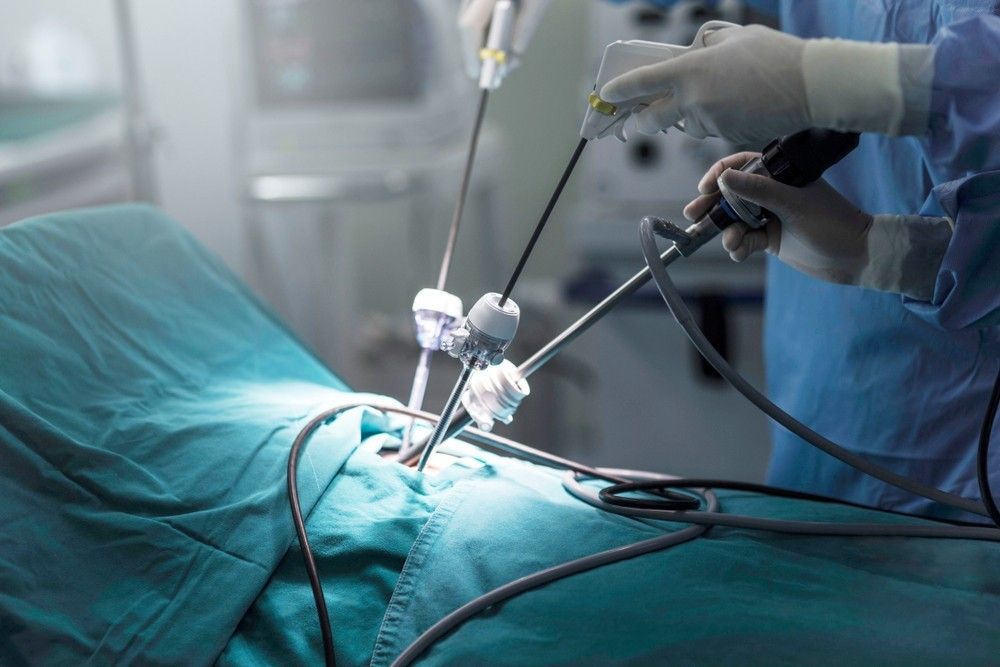
Laparoscopic surgery is a modern surgical technique in which surgeons make very small incisions in the body.
A thin instrument with a camera called a laparoscope is inserted through these small cuts. The camera displays internal images on a screen, helping the surgeon perform the procedure accurately.
Additional surgical instruments are inserted through tiny ports called trocars.
Because of the small cuts, this procedure is called minimally invasive surgery.
Common Uses of Laparoscopic Surgery
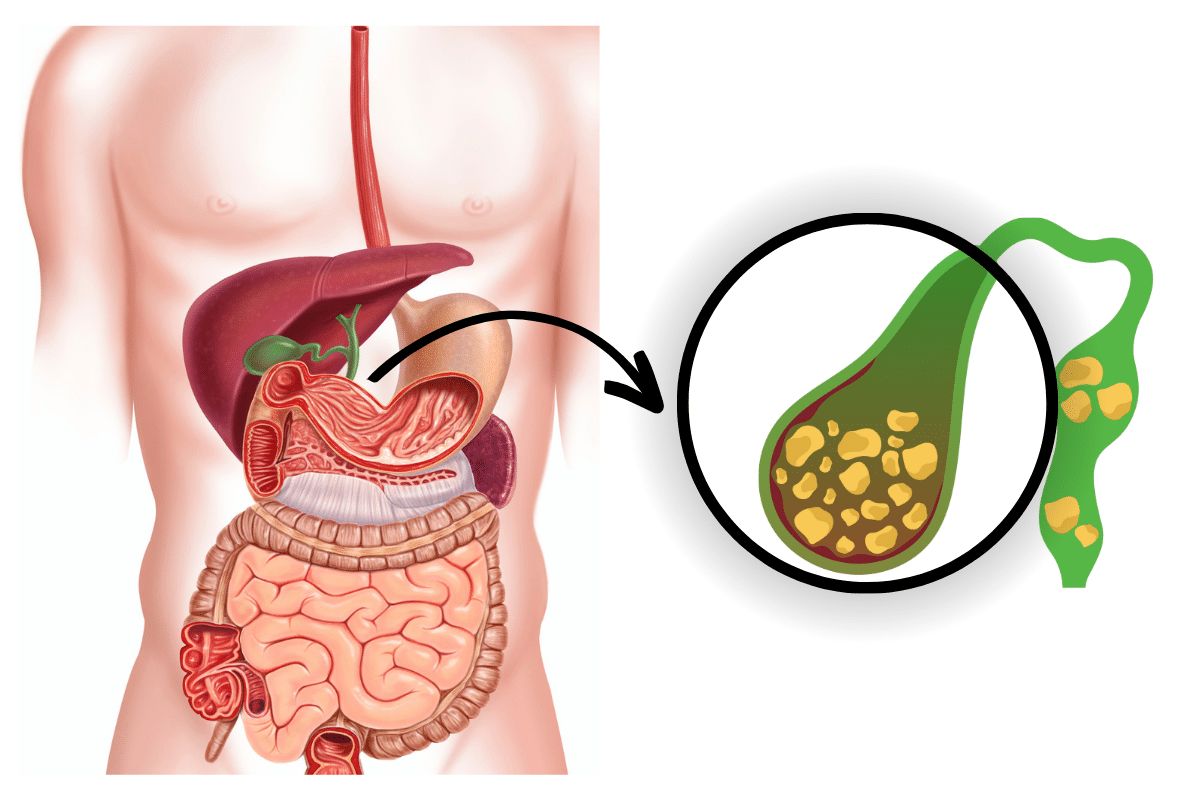
- Gallbladder removal surgery
- Appendix surgery
- Hernia surgery
- Weight loss surgery
- Gynaecological procedures
- Intestinal surgeries
What is Open Surgery?
Open surgery is the traditional surgical technique in which the surgeon makes one large incision to directly access the affected organ or body part.
This allows the surgeon to clearly view and handle the organs during surgery. Open surgery still plays an important role in treating many complicated conditions.
Common Uses of Open Surgery
- Large tumours
- Severe injuries
- Complex abdominal surgeries
- Organ transplant procedures
- Emergency surgeries
Difference Between Laparoscopic Surgery and Open Surgery
1. Incision Size
One of the major differences between both procedures is the size of the incision.
Laparoscopic Surgery
- Small incisions
- Tiny scars
- Minimal tissue damage
Open Surgery
- One large incision
- Larger visible scar
- Longer wound healing time
Due to smaller cuts, many patients prefer minimally invasive surgery.
2. Recovery Time
Recovery is generally faster after laparoscopic surgery.
Laparoscopy Patients Usually:
- Start walking earlier
- Resume eating faster
- Return to normal activities sooner
Open surgery recovery usually takes more time because the incision is larger.
3. Hospital Stay
Patients undergoing laparoscopic surgery often leave the hospital within 1–3 days.
Open surgery may require a longer hospital stay depending on the complexity of the operation.
4. Pain After Surgery
Laparoscopic Surgery
- Usually causes less pain
- Small wounds heal faster
- Reduced need for strong pain medicines
Open Surgery
- Large incision may cause more pain
- Pain may last longer
- Recovery can be more uncomfortable
This is why many patients ask whether laparoscopic surgery is better than open surgery.
5. Blood Loss During Surgery
Laparoscopic surgery usually involves less blood loss because of the small incisions.
Open surgery may involve greater blood loss, especially during major operations.
Reduced blood loss often helps patients recover faster.
6. Risk of Infection
Small wounds from laparoscopy heal faster and are easier to keep clean.
Open surgery may carry a slightly higher risk of infection due to larger wounds.
However, both procedures are considered safe when performed by experienced surgeons.
7. Camera Visualisation in Laparoscopy
Laparoscopic surgery provides magnified camera views inside the body.
This Helps Surgeons By Providing:
- Better visual clarity
- Magnified images
- Improved precision during surgery
General Anaesthesia Recovery
Both laparoscopic surgery and open surgery are commonly performed under general anaesthesia.
After surgery, patients may experience:
- Drowsiness
- Tiredness
- Mild nausea
Recovery speed depends on:
- Age
- Overall health condition
- Type of surgery performed
Advantages of Laparoscopic Surgery Over Open Surgery
Small Wounds
Small cuts leave minimal scars.
Quick Healing
Smaller wounds heal faster and reduce recovery burden.
Less Pain
Patients generally experience less pain after surgery.
Shorter Hospital Stay
Patients are discharged earlier in most cases.
Faster Return to Daily Life
People can often resume normal activities more quickly.
Laparoscopic Surgery Complications vs Open Surgery
Both surgical procedures carry certain risks.
Risks Associated with Laparoscopic Surgery
- Bleeding
- Infection
- Damage to nearby organs
- Temporary gas-related pain
- Rare conversion to open surgery
Risks Associated with Open Surgery
- Large scars
- Higher infection risk
- Longer recovery
- More post-surgical pain
Despite these risks, open surgery remains the safest option for many complex cases.
Why Choose Laparoscopic Surgery?
Doctors often recommend laparoscopic surgery because it is minimally invasive and provides several benefits.
- Smaller incisions
- Less pain
- Faster recovery
- Lower infection risk
However, not every patient is suitable for laparoscopic surgery. The final decision depends on the patient’s medical condition.
When is Open Surgery Better?
Open surgery may be preferred when:
- There is severe internal bleeding
- The disease is highly advanced
- The organs are difficult to access
- Emergency surgery is required
Conclusion
Both laparoscopic surgery and open surgery are important surgical techniques.
Laparoscopic surgery offers benefits such as smaller scars, less pain, quicker recovery, and shorter hospital stays.
However, some complicated medical conditions still require open surgery for safe treatment.
The best surgical method depends on the patient’s health condition, the type of disease, and the surgeon’s recommendation.
Always consult an experienced surgeon to understand which procedure is most suitable for your condition.