
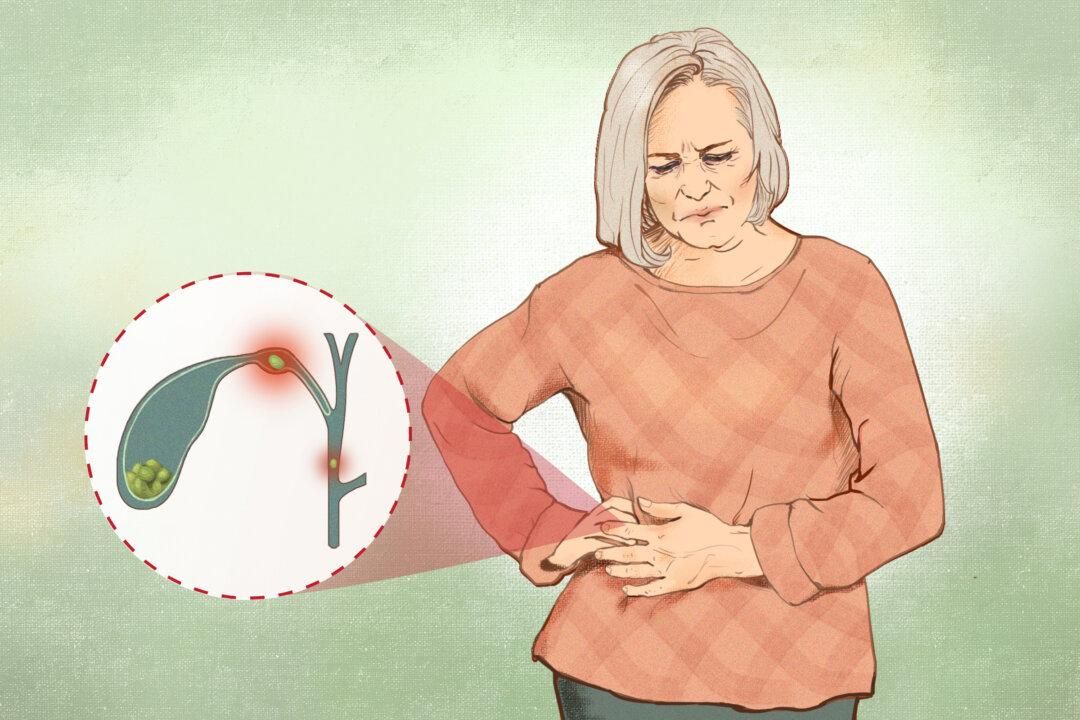
Gallstones refer to hard particles that are usually very small and found within the gallbladder. These can result in pain, vomiting, bloating, and other symptoms. Patients usually believe that if they receive the proper treatment, then the occurrence of such a condition is unlikely to occur in the future. But in certain instances, gallstones recurring after treatment procedure becomes a reality. It would definitely be disappointing for those patients who were expecting an effective remedy. That is why it is crucial to know the causes behind such recurrence.
What Are Gallstones?
Gallstones are solid particles that develop when substances in bile become unbalanced. Bile is a fluid made by the liver that helps in digestion, such as breaking down fats. Gallstones consist of two types, such as Cholsetrol stones and pigment stones.
Cholesterol stones are one of the common ones and develop when there is too much cholesterol in the bile. On the other hand, Pigment stones are developed from bilirubin, a substance created when the body breaks down old red blood cells. Hence, understanding the difference between pigment and cholesterol is vital because their causes can be different.
Why Do Gallstones Come Back?
There is a lot of curiosity among individuals to know why the gallstones recur despite the success of their treatment. This all depends on the kind of treatment as well as the health status of an individual.
This can be due to the imbalance in the components of bile. Bile that has high amounts of cholesterol or any other component might lead to recurrence of gallstones despite the success of the treatment.
This may also happen if small fragments of the gallstones persist after the process of treatment.
Can Gallstones Grow Back After Removal?
One question that patients ask quite often is whether or not gallstones can reappear after being removed?
Gallstones will be able to appear again if the patient does not remove his/her gallbladder. In such a case, the patient will continue accumulating bile in his/her gallbladder, which may eventually lead to the formation of more stones.
But if the surgeon removes the whole gallbladder during the operation, no new gallstones will ever be able to appear inside this organ. Nevertheless, patients may develop gallstones in their bile ducts. These gallstones are called bile duct stones.
Gallstones Return After Surgery
Not many people know that there may be cases where gallstones occur again even after undergoing surgery. This is something that most people should know. These are not always new gallstones but those that are created within the bile ducts.
The bile ducts are small passages through which the bile moves from the liver to the intestines. Sometimes, stones may develop in these ducts irrespective of whether the gallbladder has been removed. This is because the bile continues to malfunction due to the occurrence of certain medical conditions.
Another case is the post cholecystectomy syndrome, which causes conditions like abdominal pain, distension, dyspepsia, nausea, and other symptoms after removal of the gallbladder.
Recurrent Gallstones Causes
There are some gallstones causes that frequently recur in increasing the chances of getting them again.
The first cause is obesity, which contributes significantly to the problem. Obesity raises the level of cholesterol in the bile, making it easy to form stones.
The second cause of recurrence of gallstones is quick weight loss. Fast weight loss leads to the production of extra amounts of cholesterol by the liver.
Diabetes is another cause. The disease has a way of affecting fat processing in the body and hence contributing to the formation of stones.
Another cause of the recurrent gallstones is family history. There are some people who genetically predispose to having stones.
Gallbladder sludge is also another cause of stones. The thick substance found in the gallbladder has the capability of turning into stones in the future.
Cholecystectomy Complications and Stone Recurrence
Cholecystectomy refers to a surgical operation that involves removing the gallbladder. Cholecystectomy happens to be among the most successful ways of treating gallstones.
Even though this procedure is normally very safe, there exist some complications of cholecystectomy that can arise. One such complication is the existence of tiny stones in the bile ducts after the procedure is completed.
The other problem that can result is scarring of the bile ducts, which affects its normal flow.
Gallstone Recurrence Prevention
Despite the absence of any proven method of preventing gallstones from coming back, there are a number of measures that could be taken for prevention.
A healthy diet plays a critical role here. Make sure that your diet consists of fresh fruits and vegetables, grains and healthy fats.
Being overweight can also lead to recurrence of stones, and therefore keeping a proper body weight is another effective preventive measure, while rapid weight loss through diets is discouraged.
Doing exercises on a regular basis will help maintain normal functioning of the digestive system and avoid stone development.
Drinking enough amounts of water every day is also crucial as proper hydration helps in maintaining the normal function of bile.
People who suffer from such diseases as diabetes should consult their physician in order to control their condition.
Conclusion
Recurrence of gallstones following treatment may be due to a number of reasons, such as imbalance in the chemistry of the bile, leftover gallstone pieces, presence of stones in the bile duct, or presence of certain health conditions.
Knowing about the causes of recurrence of gallstones helps in preventing them in the future. Many people can prevent the recurrence of gallstones by adopting a healthy life style, controlling risk factors, and regular medical examination.
Leave a Comment