Rectal Prolapse Surgery in Delhi
Rectal prolapse is a painful and uncomfortable condition where the rectum, which is the last part of the large intestine, slips out of its normal position and protrudes through the anus. It affects bowel control and causes discomfort that, if left untreated, can disrupt one's life in a serious way. Mild degrees of this condition may have some symptomatic relief temporarily with diet modification and lifestyle adjustments, but most patients will require surgery for an effective and permanent solution.
Advanced and effective treatment for rectal prolapse is performed by Dr. Ashish Vashistha, the best rectal prolapse surgeon in Delhi. He offers expert laparoscopic and minimally invasive surgical options. Backed with several years of experience and expertise in robotic and laparoscopic colorectal surgery, Dr. Vashistha focuses on providing accurate treatment with faster recovery and less pain after the surgery.
What is Rectal Prolapse?
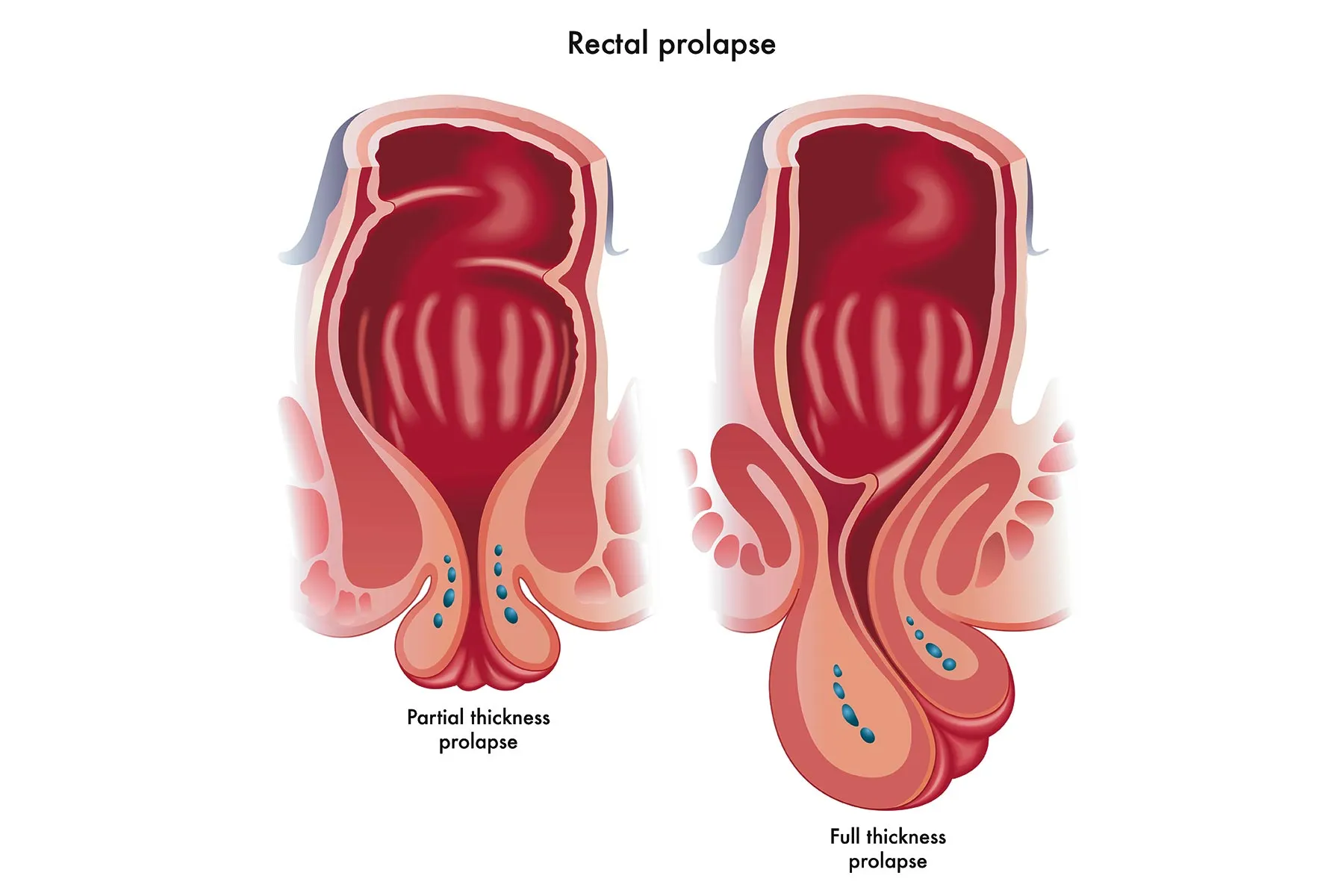
Rectal prolapse is a condition in which the rectum—the lower end of the large intestine—slides out of its normal position and begins to protrude through the anus. This happens when the supportive tissues and muscles of the pelvic floor become weak, allowing the rectum to slip downward. It may occur during bowel movements initially and can gradually worsen over time if not addressed.
Type Of Rectal Prolapse?
Internal Prolapse:The rectum slips downward but does not come out through the anus. It remains inside the body and may not be visible externally.
Partial Mucosal ProlapseOnly the inner lining (mucosa) of the rectum protrudes through the anus. It is usually seen during straining and is more common in children.
Symptoms of Rectal Prolapse
- A feeling of a bulge or lump coming out of the anus, especially during bowel movements
- A visible protrusion of rectal tissue outside the anus
- A sensation of something “falling out” from the rectum
- Mucus discharge from the rectum
- Bright red bleeding after passing stool
- A feeling of incomplete bowel emptying
- Discomfort or pressure in the anal area, especially when sitting
Types of Rectal Prolapse Surgery
Laparoscopic Rectal Prolapse Surgery
- This minimally invasive procedure uses small incisions and a camera to reposition and secure the rectum back into its normal position. It offers less pain, smaller scars, shorter hospital stay, and faster recovery compared to traditional open surgery.
Perineal Rectosigmoidectomy
- In this procedure, the prolapsed portion of the rectum is removed through the anus, and the remaining rectum is reconnected. It is often recommended for elderly or high-risk patients because it avoids abdominal surgery and has a relatively quicker recovery.
Open Abdominal Rectopexy
- This traditional surgery involves an abdominal incision to reposition the rectum and fix it to the pelvic wall. It is usually recommended for severe rectal prolapse and provides strong long-term support to prevent recurrence.

Why Choose Dr. Ashish Vashistha?
- Dr. Ashish Vashistha is a trailblazer in Minimal Access and Bariatric Surgery, with over 28 years of experience.
- Principal Director & HOD, General Surgery & Robotics, Max Super Speciality Hospital, Saket
- Senior Bariatric, Metabolic, Advanced Laparoscopic & Robotic Surgeon with 28+ years of experience
- Renowned for excellence in Gallbladder, Hernia, Bariatric, and advanced Robotic surgeries
- Trusted by thousands of patients for safe, minimally invasive, and fast-recovery surgical outcomes
- Published multiple research papers in Laparoscopic, Bariatric & Robotic Surgery
Frequently Asked Questions
Yes. Although not life-threatening, it can worsen over time and affect bowel function and quality of life if not treated.
It often occurs due to weakened pelvic muscles, chronic constipation, nerve damage, or aging. However, multiple factors can contribute.
It is more common in older adults, women after multiple deliveries, people with chronic constipation, and those with pelvic floor weakness.
Surgery is the most effective and long-term treatment option. Minimally invasive (laparoscopic/robotic) rectopexy is preferred for most patients.
Recurrence is possible but less likely with advanced techniques and when performed by experienced colorectal surgeons.