Gallstone disorders affect many people, but not all people suffering from gallstones require gallbladder surgery. While some individuals suffer from asymptomatic gallstones for years, others develop serious complications and require immediate medical attention.
In this blog, we will understand when gallbladder surgery becomes necessary, the alternatives to surgery, and the symptoms that indicate serious gallstone disease.
What Are Gallbladder Stones?
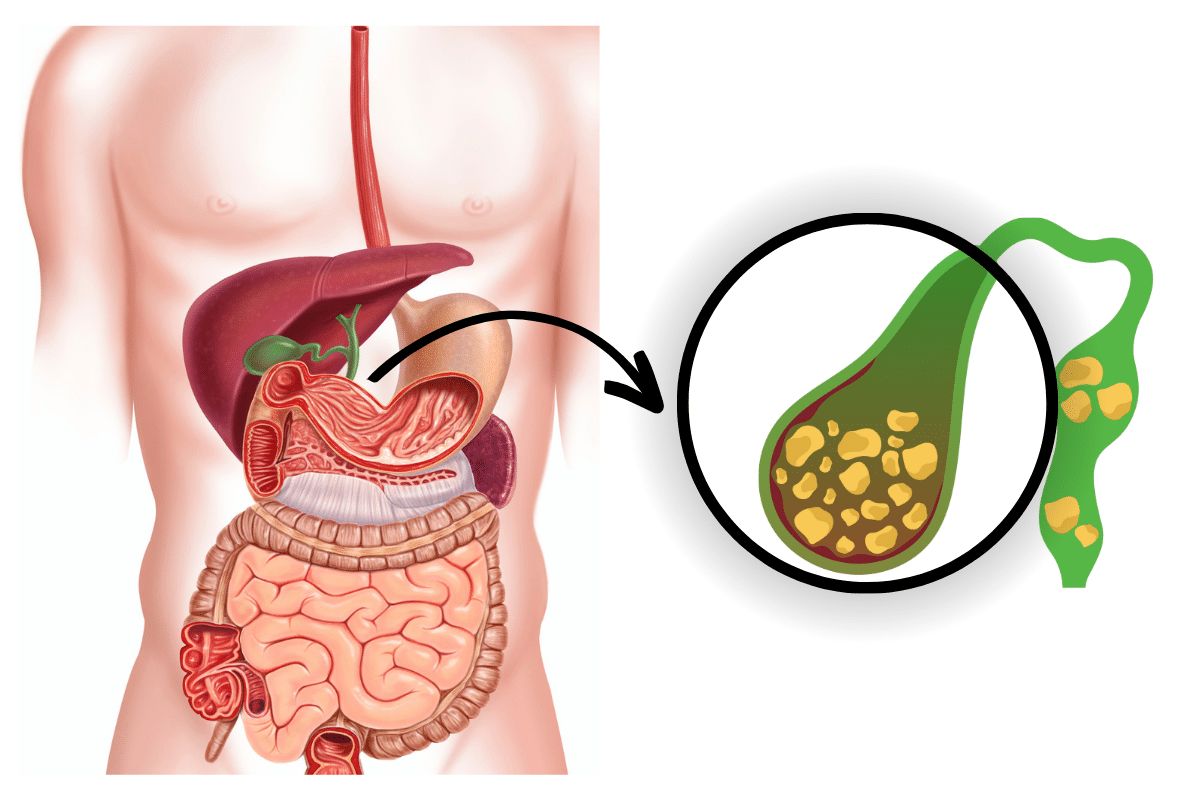
Gallbladder stones, also called gallstones, are solid deposits that form inside the gallbladder. These stones may vary in size and can block the normal flow of bile.
Gallstones may develop due to:
- High cholesterol levels
- Abnormal bile composition
- Obesity
- Poor eating habits
- Fatty liver disease
Doctors commonly diagnose gallstones using an ultrasound scan.
Silent Gallstones vs Symptomatic Gallstones
Doctors usually classify gallstones into two main categories:
1. Silent Gallstones
Silent gallstones do not produce any symptoms or discomfort. These stones are often discovered accidentally during routine medical tests.
In many cases, silent gallstones only require regular monitoring.
Management Options for Silent Gallstones
- Regular monitoring
- Dietary modifications
- Weight management
- Routine ultrasound scans
2. Gallstones With Symptoms
Symptomatic gallstones can cause pain and may lead to serious complications if left untreated.
Common Symptoms Include:
- Right-sided abdominal pain
- Pain after eating fatty foods
- Fever with chills
- Bloating and indigestion
- Pain radiating to the back or shoulder
This painful condition is commonly known as biliary colic.
When Is Gallbladder Surgery Required?
Not all gallstones require surgery, but doctors may recommend surgery under specific conditions.
Situations Where Surgery Becomes Necessary
1. Recurrent Biliary Colic
Frequent attacks of pain indicate repeated blockage caused by gallstones.
2. Acute Cholecystitis
Acute cholecystitis refers to inflammation of the gallbladder caused by gallstones. It may cause severe pain, fever, and vomiting.
3. Choledocholithiasis
This condition occurs when gallstones move into the common bile duct.
4. Gallstone-Induced Jaundice
Blockage of bile flow may lead to jaundice, which usually requires urgent medical treatment.
5. Gallstone Pancreatitis
Gallstones may block the pancreatic duct and cause inflammation of the pancreas. This can become life-threatening.
6. Large Gallstones
Doctors also consider the size of gallstones while deciding treatment.
What Is Cholecystectomy?
Gallbladder removal surgery is called cholecystectomy. During this procedure, the gallbladder is completely removed.
Types of Cholecystectomy
1. Laparoscopic Cholecystectomy
This is the most common procedure and involves small cuts in the abdomen.
2. Open Cholecystectomy
Open surgery may be required in complicated cases involving infection or scar tissue.
Most patients recover quickly after surgery.
Non-Surgical Treatment Options for Gallstones
Surgery is not the only treatment option for gallstones.
Gallstone Medications
Some doctors prescribe ursodeoxycholic acid medicines to dissolve cholesterol gallstones.
Important Things to Know:
- Treatment may take several months or years
- Gallstones may return after stopping medication
- The medicine works only for certain types of stones
This option is mainly used for patients who cannot undergo surgery.
Can Gallstones Dissolve Naturally?
In some cases, very small cholesterol stones may shrink slightly, but gallstones usually do not disappear naturally.
Healthy Lifestyle Habits That May Help:
- Following a low-fat diet
- Drinking enough water
- Avoiding oily foods
- Maintaining healthy body weight
- Eating high-fibre foods
These lifestyle changes may reduce symptoms but cannot completely remove gallstones.
Gallbladder Sludge vs Gallstones
Sometimes doctors detect gallbladder sludge instead of stones.
Sludge is a thick bile material that may improve with medicines and dietary changes.
Role of ERCP Procedure
When a gallstone blocks the bile duct, doctors may perform an ERCP procedure.
ERCP stands for Endoscopic Retrograde Cholangio-Pancreatography.
During ERCP:
- A flexible tube is inserted through the mouth
- The blocked bile duct is identified
- Stones are removed without open surgery
Watchful Waiting Approach
For silent gallstones, doctors often recommend a watchful waiting approach.
This Includes:
- Monitoring symptoms regularly
- Periodic imaging tests
- Dietary control
- Consulting the doctor immediately if pain develops
Conclusion
So, are gallbladder stones always operated on? The answer is no.
Silent gallstones may only require monitoring, while complicated conditions like acute cholecystitis, jaundice, choledocholithiasis, or gallstone pancreatitis often require surgery.
Some patients can manage gallstones through medications, diet changes, and regular follow-up. However, persistent pain and repeated biliary colic attacks may make gallbladder removal necessary.
If your ultrasound report shows gallstones, consult an experienced specialist to choose the most appropriate treatment option.