
5. Introduction
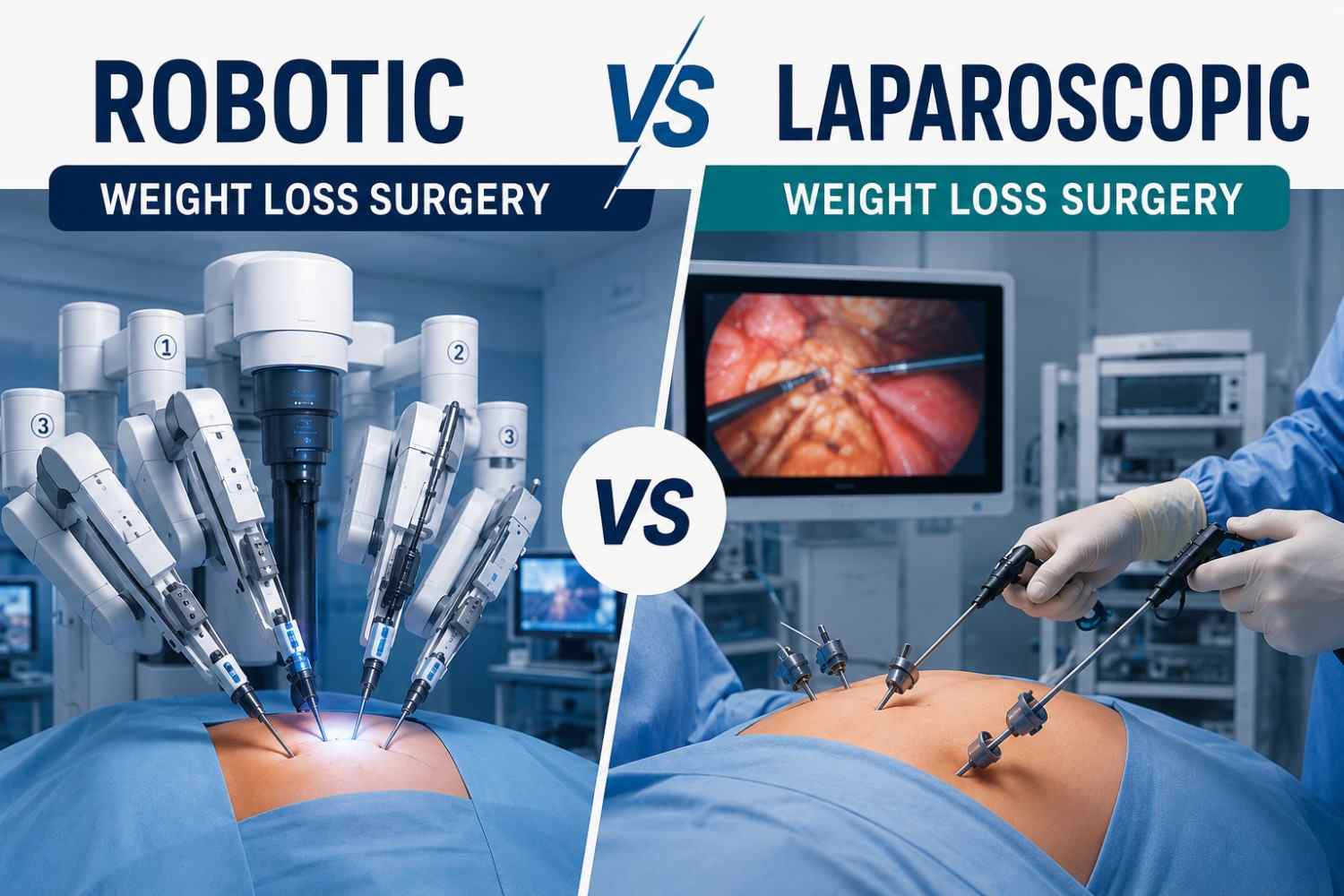
If you're researching bariatric surgery, you've probably run into two terms that get used almost interchangeably online: robotic and laparoscopic. They're not the same thing, and the difference matters more than most patient blogs let on.
Both are minimally invasive. Both use small incisions instead of a large open cut. But the tools, the surgeon's control, and in some cases the recovery experience can differ depending on which technique is used and why.
This isn't a "robotic is always better" article, because that isn't true. It's also not a case for laparoscopic being outdated, because it isn't. What actually happens is that surgeons weigh a set of specific factors, BMI, prior surgeries, anatomy, and the complexity of the procedure, before recommending one over the other.
Here's how that decision actually gets made.
Weight Loss Surgery Isn't One Procedure, It's a Choice of Technique
Bariatric surgery covers several procedures: gastric sleeve, gastric bypass, and revision or conversion surgeries for patients who've had a prior weight loss operation. Each of these can be performed laparoscopically or robotically. The procedure stays the same. What changes is how the surgeon accesses and operates on the anatomy.
What "laparoscopic" actually means
Laparoscopic surgery uses several small incisions, a camera, and long, rigid instruments that the surgeon controls directly by hand. It has been the standard approach for bariatric surgery for over two decades, with a strong track record for safety and consistent outcomes across sleeve gastrectomy and gastric bypass.
It's also generally faster to perform and more widely available, since almost every bariatric surgical unit is equipped for it.
What changes when robotics enters the picture
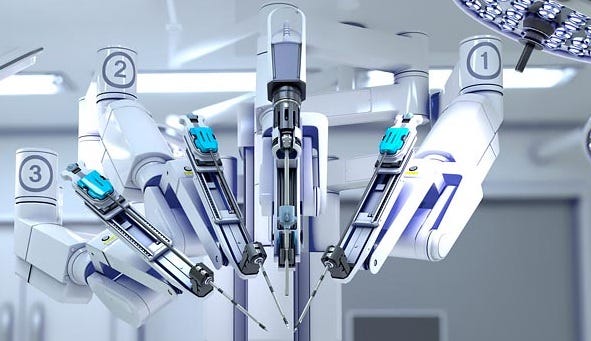
Robotic-assisted surgery still uses small incisions, but the surgeon operates from a console, controlling robotic arms that hold the instruments. The system provides a magnified 3D view of the surgical field and instruments that can rotate in ways a human wrist can't quite replicate.
This doesn't replace the surgeon's judgment. The robot has no autonomy here. It's a tool that extends what the surgeon's hands can do inside a tight space, particularly useful when there's limited room to maneuver.
How Robotic Technology Changes the Surgery Itself
Precision in tight, high-risk areas
In bariatric patients, especially those with a higher BMI, the abdominal cavity often has less working space and more visceral fat to work around. This is where the added dexterity of robotic instruments tends to be most useful, particularly for delicate steps like suturing during gastric bypass or handling scar tissue in revision surgeries.
Research comparing robotic and laparoscopic approaches across surgical specialties has generally found that robotic assistance improves precision and can reduce the need to convert to open surgery in complex cases, though it typically takes longer to perform and costs more than the laparoscopic equivalent.
What the surgeon can see and control differently
The 3D magnified view and wristed instrument movement are the two biggest functional differences. In practice, this can matter most during technically demanding steps, like stapling and suturing along the stomach or intestine, where precision reduces the risk of leaks or bleeding.
For a straightforward, uncomplicated sleeve gastrectomy in a patient with a moderate BMI and no prior abdominal surgery, this added precision may offer less of a practical advantage, since laparoscopic technique already performs that step reliably.
Who Is a Better Candidate for Robotic Bariatric Surgery
This is where the decision actually gets made, and it's rarely about patient preference alone.
Higher BMI or complex anatomy cases
Patients with a significantly elevated BMI often have more visceral fat and a technically tighter working space. Surgeons may lean toward robotic assistance here because the improved dexterity and visualization can make dissection and suturing more controlled.
Patients with prior abdominal surgeries
If you've had previous abdominal surgery, whether it's an earlier bariatric procedure, a hernia repair, or a gallbladder removal, scar tissue can complicate a laparoscopic approach. Robotic assistance is frequently preferred for revision or conversion bariatric surgery for exactly this reason. Data from large bariatric surgery registries shows robotic techniques are more commonly used for these more complex, conversional cases compared to routine primary procedures.
None of this means laparoscopic surgery is unsafe for complex cases. It means the margin for technical difficulty is different, and an experienced surgeon factors that in before choosing an approach.
Recovery, Scarring and Hospital Stay Compared
| Factor | Laparoscopic | Robotic |
|---|---|---|
| Incision size | Small, multiple ports | Small, multiple ports |
| Operative time | Generally shorter | Generally longer |
| Surgeon control | Direct hand movement | Console-controlled, wristed instruments |
| Best suited for | Routine, uncomplicated cases | Complex, revision, or high-BMI cases |
| Hospital stay | Typically 1 to 2 days | Comparable, sometimes marginally longer |
| Complication rates | Well established, low | Comparable overall, varies by procedure complexity |
For most patients undergoing a standard primary sleeve gastrectomy, published outcomes between the two techniques are broadly comparable in terms of safety and short-term complications. The meaningful difference tends to show up in more complex or revisional cases, not in routine ones.
Pain and mobility in the first week
Since both techniques use small incisions, most patients report similar levels of post-operative discomfort in the first few days regardless of which approach was used. Early mobilization, walking within a day of surgery, matters more for recovery speed than the technique itself.
Return to normal activity timelines
Most patients return to light daily activity within one to two weeks and resume full normal activity by four to six weeks, whether the surgery was performed laparoscopically or robotically. Individual recovery still depends more on the specific procedure, the patient's overall health, and how closely post-op guidelines are followed than on which platform was used.
How Delhi Surgeons Actually Make This Decision
Factors beyond BMI that influence the call
Surgeons weigh several things together before recommending a technique:
- The specific bariatric procedure being planned (sleeve, bypass, or revision)
- BMI and the amount of visceral fat involved
- Whether this is a first-time surgery or a conversion from a previous one
- Presence of scar tissue from earlier abdominal surgery
- The complexity of anatomy specific to the individual patient
- Equipment availability and the surgical team's experience with each platform
Why this isn't a patient-only decision
It's reasonable to have a preference walking into a consultation. But the final call is a clinical one, made jointly after imaging, a physical assessment, and a review of your surgical history. A surgeon who has performed both techniques extensively is better positioned to recommend the one that fits your specific case, rather than defaulting to whichever platform the hospital promotes more.
Making an Informed Choice Before Your Consultation
You don't need to walk in already knowing which technique you want. What helps more is walking in with the right questions, so the surgeon's reasoning is clear to you.
Questions worth asking your surgeon
- Given my BMI and medical history, would you recommend laparoscopic or robotic surgery, and why?
- Have I had any prior abdominal surgeries that could affect this decision?
- What is your experience performing this specific procedure with each technique?
- What does recovery typically look like for someone in my situation?
- Are there risks specific to one technique that apply more to my case?
A surgeon who explains the reasoning behind their recommendation, rather than simply stating a preference, is generally a good sign you're getting an individualized assessment rather than a one-size-fits-all answer.
If you're weighing your options for laparoscopic bariatric surgery in Delhi, the most useful next step is a consultation where your BMI, medical history, and anatomy are reviewed in person, so the recommendation is based on your case specifically, not a general rule.
7. FAQ
Is robotic bariatric surgery better than laparoscopic for weight loss?
Neither technique is universally "better." For routine, uncomplicated procedures, both produce comparable weight loss outcomes. Robotic assistance tends to offer a practical advantage in complex or revision cases, where the added precision and dexterity help with technically demanding steps.
Does robotic weight loss surgery cost more than laparoscopic surgery?
Robotic surgery generally involves higher costs than laparoscopic surgery, largely due to equipment and operative time. Exact costs vary by hospital, surgeon, and the specific procedure, so it's best discussed directly during your consultation rather than assumed in advance.
How long does recovery take after robotic bariatric surgery compared to laparoscopic?
Recovery timelines are broadly similar between the two, since both use small incisions. Most patients are mobile within a day of surgery and return to normal activity within four to six weeks, regardless of which technique was used.
Can every patient choose between robotic and laparoscopic weight loss surgery?
Not always. While patient preference is considered, the final decision depends on clinical factors like BMI, anatomy, and surgical history. In some cases, one technique is clearly more appropriate than the other.
Is robotic bariatric surgery available in Delhi?
Yes, robotic bariatric surgery is available at select hospitals in Delhi with surgeons trained on robotic platforms. Availability and suitability should be confirmed directly with your surgeon based on your specific case.

Leave a Comment