Centre of Excellence in Hernia Care
Best Hernia Surgeon in Delhi: Why Patients Choose Dr. Ashish Vashistha
A hernia does not fix itself. Once tissue pushes through a weak point in your abdominal wall or groin, the only way to close that gap permanently is surgery, and the surgeon you choose has a direct bearing on how smoothly that surgery and recovery go.
If you are searching for a hernia surgeon in Delhi, this guide covers what a hernia actually is, when it needs treatment, and why Dr. Ashish Vashistha, a Centre of Excellence-recognized hernia specialist based in South Delhi, is a name that comes up repeatedly among patients researching hernia repair in the city.
What Is a Hernia, and Why It Needs a Specialist
A hernia develops when an organ or fatty tissue pushes through a weak spot in the surrounding muscle wall, most often in the abdomen or groin. The muscle that is supposed to hold everything in place gives way, usually from age, strain, or a previous surgical incision, and tissue works its way through that gap, forming the bulge most people notice first.
No medication or exercise closes a hernia once it has formed. Surgery is the only way to repair the weakened tissue and move the organ back into place, which is why an accurate diagnosis from a qualified hernia specialist matters more than trying to guess based on symptoms alone.
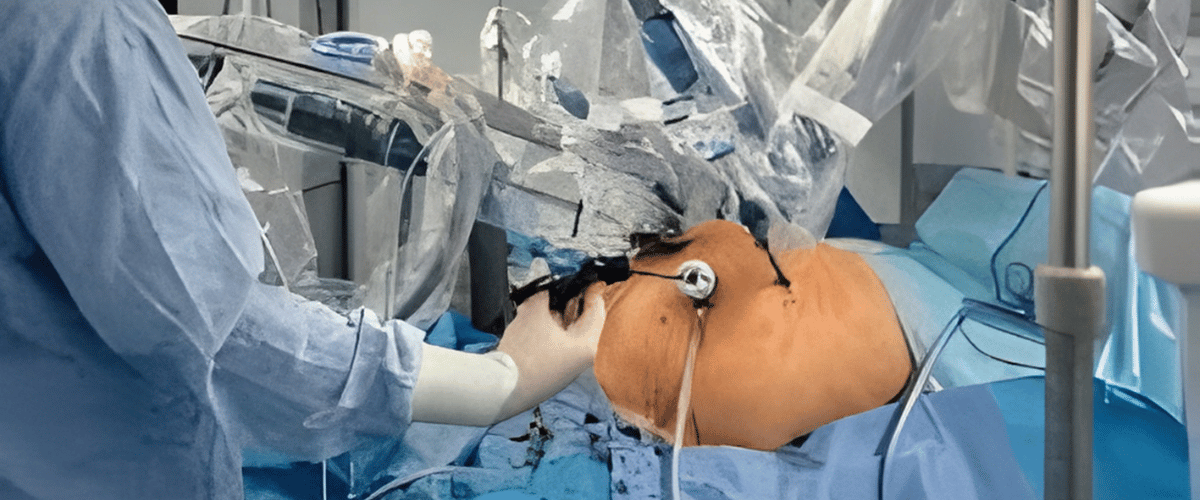
Comprehensive Diagnosis
Types of Hernia Treated in Delhi
Dr. Vashistha's practice treats each of these hernia types, with the surgical approach, technique and mesh selected based on the hernia's size, location, and the patient's overall health rather than a one-size-fits-all protocol.
Inguinal Hernia
The most common type, occurring in the groin, more frequent in men.
Femoral Hernia
Near the groin but lower, more common in women, with a higher risk of becoming trapped.
Umbilical Hernia
Appears near the navel and occurs in both children and adults.
Incisional Hernia
Forms at the site of a previous surgical cut where the muscle was weakened.
Hiatal Hernia
Part of the stomach pushes through the diaphragm into the chest, often causing acid reflux rather than a visible bulge.
Ventral Hernia
Develops through weakened muscle anywhere along the abdominal wall.
Specialist Profile
Meet Dr. Ashish Vashistha: A Leading Hernia Surgeon in South Delhi
Dr. Ashish Vashistha is a General, Gastrointestinal, Bariatric, Metabolic, Hernia and Robotic Surgeon with 28+ years of experience in advanced surgical practice. He currently serves as Principal Director and Head of the Department of General Surgery & Robotics at Max Super Speciality Hospital, Saket, in South Delhi, where he leads one of the region's dedicated units for advanced laparoscopic and robotic surgery.
What sets his hernia practice apart from a general surgery department that treats hernias as one procedure among many is focus: his hernia unit has been recognized as a Centre of Excellence for Hernia Surgeries by the Hernia Society of India, a distinction tied specifically to sustained volume and outcomes in hernia care. Combined with fellowship training in bariatric, hernia and robotic surgery (FALS Bariatrics, FALS Hernia, FALS Robotics, FIAGES, FNBE-MAS), this is the basis for regarding him as one of the best hernia surgeons practicing in Delhi today.
Experience:
28+ years across general, laparoscopic, bariatric and robotic surgery.
Recognition:
Centre of Excellence for Hernia Surgeries, awarded by the Hernia Society of India.
Location:
Max Super Speciality Hospital, Saket, South Delhi, serving patients across South Delhi and the wider NCR.
Technique range:
Both laparoscopic and robotic hernia repair, selected per patient rather than defaulting to one method.
What Makes Dr. Vashistha One of the Best Hernia Surgeons in Delhi
Patients researching the best hernia surgery in Delhi are typically weighing three things: the surgeon's depth of experience with hernia cases specifically, access to both laparoscopic and robotic techniques, and how clearly the surgical plan is explained before the operation.
Focused hernia expertise
A Centre of Excellence designation reflects sustained hernia-specific volume and outcomes, not a general surgery practice that occasionally treats hernias.
Technique flexibility
Access to laparoscopic and robotic platforms means the technique is chosen for the case, not the other way around.
Hospital infrastructure
Based at Max Super Speciality Hospital, Saket, a full-service tertiary care hospital in South Delhi.
Individualized planning
Mesh type, surgical approach and recovery expectations are discussed specifically for each patient's hernia rather than offered as a standard package.
Keyhole Surgery
Laparoscopic Hernia Surgeon in Delhi: What This Approach Offers
Laparoscopic hernia repair, sometimes called keyhole surgery, is performed through a few small incisions using a camera and specialized instruments to place mesh over the weakened area. As a laparoscopic hernia surgeon in Delhi, Dr. Vashistha uses this technique for the majority of inguinal and umbilical hernia repairs, where it offers less post-operative pain, a smaller scar, and a faster return to normal activity compared with open surgery.
It remains a well-proven, minimally invasive standard, and for many straightforward hernia cases it achieves outcomes comparable to robotic repair.
Advanced Precision
Robotic Hernia Surgeon in Delhi: When Precision Matters Most
Robotic hernia surgery uses robotic arms controlled from a console, giving the surgeon a magnified 3D view and a wider range of instrument motion for precise mesh placement. As a robotic hernia surgeon in Delhi, Dr. Vashistha applies this platform particularly for complex, recurrent, or bilateral hernia cases, where the added dexterity can support more accurate repair and dissection.
Robotic surgery is not automatically the better option for every patient. The right technique depends on the hernia's complexity and the patient's overall fitness for surgery, which is why this decision is made individually during consultation rather than presented as a default upgrade.
Open vs. Laparoscopic vs. Robotic Hernia Repair
| Approach | Typical Recovery | Best Suited For |
|---|---|---|
| Open Repair | 4-6 weeks | Large, complicated or emergency hernias |
| Laparoscopic Repair | 1-2 weeks | Most inguinal and umbilical hernias |
| Robotic Repair | 1-2 weeks | Complex, recurrent or bilateral hernias |
Clinical Indicators
Signs You Need to See a Hernia Specialist
- A visible bulge in the abdomen or groin, more noticeable when standing, coughing or straining
- A dragging or heavy sensation in the affected area
- Discomfort that worsens with activity and eases when lying down
- Persistent acid reflux, which can indicate a hiatal hernia rather than a visible bulge
Warning: If a bulge suddenly becomes hard, discolored or intensely painful and does not reduce when lying down, this can signal a strangulated hernia, a surgical emergency that needs immediate medical attention rather than a scheduled appointment.
Patient Checklist
Choosing the Right Hernia Specialist: Questions to Ask
- What type of hernia do I have, and how severe is it?
- Would you recommend laparoscopic or robotic repair for my case, and why?
- What type of mesh will be used?
- What is the expected recovery time for someone in my situation?
- What is the likelihood of recurrence with this approach?
Post-Operative Care
Recovery After Hernia Surgery
First 48 hours:
Rest, with mild discomfort at the incision site managed by prescribed medication.
First week:
Light walking is encouraged; heavy lifting and strenuous activity should be avoided.
1-2 weeks:
Most laparoscopic and robotic hernia repair patients resume normal daily activity.
6 weeks onward:
Most patients are cleared for exercise and heavy lifting, though this varies by individual and procedure.
Frequently Asked Questions
Dr. Ashish Vashistha is a widely recognized hernia surgeon in South Delhi, with his hernia unit at Max Super Speciality Hospital, Saket, designated a Centre of Excellence for Hernia Surgeries by the Hernia Society of India, alongside 28+ years of surgical experience.
No. A hernia does not close on its own. Surgery is the only way to permanently repair the weakened muscle, though small, symptom-free hernias are sometimes monitored under medical supervision rather than operated on immediately.
Not universally. Robotic surgery offers precision advantages in complex, recurrent or bilateral cases, while laparoscopic repair achieves comparable outcomes for most straightforward inguinal and umbilical hernias.
Most patients recover within one to two weeks after laparoscopic or robotic repair, compared with four to six weeks typically needed after open surgery.
As soon as you notice a bulge, even if it is not painful. Seek immediate care if the bulge becomes hard, discolored or severely painful and does not reduce when lying down.
Max Super Speciality Hospital, Basement OPD, Press Enclave Road, Saket, New Delhi - 110017, serving patients across South Delhi and the wider Delhi NCR.
If you have a visible or recurring hernia bulge, getting an expert evaluation can help determine the most appropriate treatment and whether surgery is needed.
Book a Consultation at Max Super Speciality Hospital, Saket