Laparoscopic & Robotic Surgery
Best Gallbladder Surgeon in Delhi: Why Patients Choose Dr. Ashish Vashistha
Gallbladder pain has a habit of showing up after meals and getting dismissed as indigestion for weeks before someone finally gets it checked. By the time most patients see a gallbladder specialist, they have usually already had at least one attack severe enough to send them to an emergency room.
If you are looking for a gallbladder surgeon in Delhi, this guide explains what causes gallbladder disease, when surgery is actually necessary, and why Dr. Ashish Vashistha, a laparoscopic and robotic gallbladder surgeon based in South Delhi with 28+ years of surgical experience, is a name that comes up often among patients comparing options in the city.
What Is Gallbladder Disease, and When It Needs a Specialist
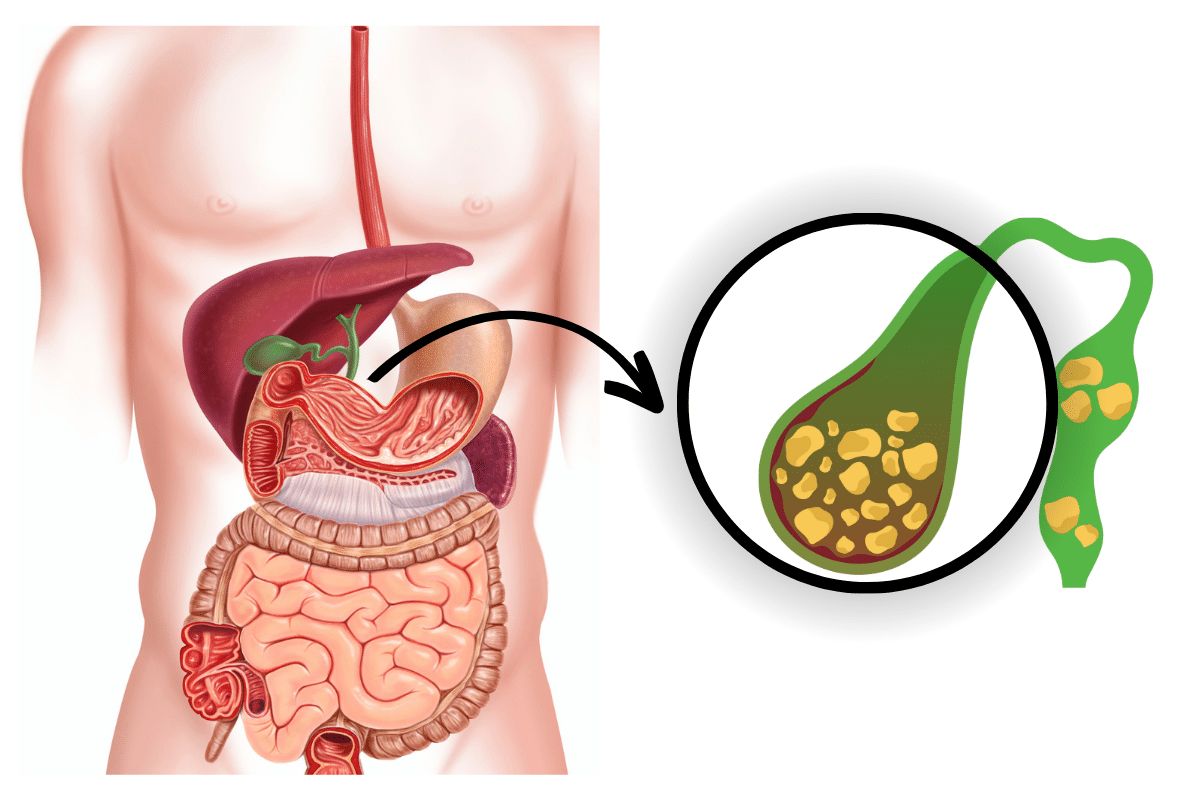
The gallbladder is a small, pear-shaped organ beneath the liver that stores bile, the fluid your liver produces to help digest fat. Problems start when hardened deposits called gallstones form inside it, made mostly of cholesterol or bilirubin. Gallstones can range from the size of a grain of sand to something closer to a golf ball, and many people carry them without ever knowing, since silent gallstones often cause no symptoms at all.
Trouble begins when a stone blocks the duct carrying bile out of the gallbladder. That blockage causes the swelling, inflammation and pain most people associate with a gallbladder attack, and it is usually this point, not the stones themselves, that brings a patient in for a proper evaluation.
Clinical Overview
Common Gallbladder Conditions Treated in Delhi
A gallbladder specialist in Delhi will typically confirm the specific condition through an ultrasound and blood work before recommending a treatment path, since not every gallstone diagnosis leads straight to surgery.
Gallstones & Polyps
Gallstones (Cholelithiasis): Hardened crystalline deposits formed inside the gallbladder from cholesterol or bilirubin pigments. They may remain silent for years or trigger intense biliary colic when obstructing bile flow.
Gallbladder Polyps: Mucosal projections or growths lining the inner gallbladder wall. While mostly benign, they require clinical monitoring and timely surgical removal if they exceed 10 mm or show rapid growth.
Key Characteristics:- Ranging from grain-sized microcalculi to large golf-ball stones
- Can cause post-meal fullness, sharp cramps, and indigestion
- Silent stones are monitored; symptomatic stones require surgery
- Polyps over 1 cm carry malignancy risk and warrant cholecystectomy
Gallbladder Inflammation (Cholecystitis)
Cholecystitis refers to acute or chronic inflammation and swelling of the gallbladder wall. It is most commonly triggered when a gallstone lodges firmly in the cystic duct, causing trapped bile to build pressure and irritate tissue.
Without timely clinical intervention, stagnant bile can become infected by bacteria, progressing to severe complications including empyema (pus accumulation), tissue gangrene, or gallbladder perforation.
Key Characteristics:- Severe, unrelenting pain in the upper right abdomen
- Associated fever, chills, and elevated white blood cell counts
- Marked tenderness upon abdominal examination (Murphy's sign)
- Requires prompt medical stabilization and early surgical removal
Bile Duct Stones & Pancreatitis
Bile Duct Stones (Choledocholithiasis): Gallstones that migrate out of the gallbladder into the common bile duct, blocking bile drainage from the liver and leading to obstructive jaundice.
Gallstone Pancreatitis: A critical condition where a passing gallstone temporarily or permanently occludes the ampulla of Vater, obstructing pancreatic digestive enzymes and causing acute pancreatic inflammation.
Key Characteristics:- Yellowing of eyes and skin (jaundice), dark urine, pale stools
- Severe mid-epigastric pain radiating directly through to the back
- May require coordinated ERCP duct clearance followed by surgery
- Requires immediate emergency hospital evaluation
Specialist Profile
Meet Dr. Ashish Vashistha: A Leading Gallbladder Specialist in South Delhi
Dr. Ashish Vashistha is a General, Gastrointestinal, Bariatric, Metabolic, Hernia and Robotic Surgeon with 28+ years of experience in advanced surgical practice. He currently serves as Principal Director and Head of the Department of General Surgery & Robotics at Max Super Speciality Hospital, Saket, in South Delhi.
Gallbladder surgery is one of the core procedures performed within his dedicated laparoscopic and robotic surgery unit. His approach to gallbladder disease is built on offering both laparoscopic and robotic cholecystectomy, fellowship training in minimal access surgery (FIAGES, FNBE-MAS), and access to a full-service tertiary hospital, rather than treating gallbladder removal as a routine, one-size-fits-all procedure.
Whether evaluating asymptomatic gallstones, managing complex biliary anatomy, or addressing acute cholecystitis, Dr. Vashistha provides individualized surgical planning backed by precision technology.
Experience:
28+ years across general, laparoscopic, bariatric, and robotic surgical care.
Leadership & Affiliation:
Principal Director & HOD, General Surgery & Robotics at Max Super Speciality Hospital, Saket, South Delhi.
Technique Range:
Both laparoscopic and robotic gallbladder removal, carefully selected per individual patient case.
Fellowship Training:
FIAGES and FNBE-MAS in minimal access surgery with extensive experience in complex hepatobiliary cases.
What Makes Dr. Vashistha One of the Best Gallbladder Surgeons in Delhi
Patients researching the best gallbladder surgery in Delhi weigh surgical experience, technological capability, hospital infrastructure, and personalized evaluation.
Depth of Experience
28+ years performing gallbladder and related gastrointestinal surgery with thousands of successful outcomes.
Technique Flexibility
Both laparoscopic and robotic platforms, ensuring the technology serves the case rather than forcing a single method.
Tertiary Infrastructure
Based at Max Super Speciality Hospital, Saket, fully equipped for complex, recurrent, or high-risk biliary cases.
Individualized Care
Diagnosis and surgical necessity confirmed via ultrasound and blood work rather than assumed from symptoms alone.
Standard of Care
Laparoscopic Gallbladder Surgeon in Delhi
Laparoscopic cholecystectomy is performed through a few small incisions using a high-definition camera and specialized instruments to safely remove the gallbladder. As a laparoscopic gallbladder surgeon in Delhi, Dr. Vashistha uses this technique for the large majority of gallbladder removals.
It remains a well-established, highly effective option that offers significantly less post-operative pain, minimal scarring, a shorter hospital stay, and a faster return to normal activity compared with open surgery. For most patients with gallstones, chronic cholecystitis, or polyps, laparoscopic surgery is the standard and fully sufficient approach.
Advanced Precision
Robotic Gallbladder Surgeon in Delhi
Robotic gallbladder surgery uses a console-controlled robotic system that gives the surgeon a magnified 3D view and finer instrument control than standard laparoscopic tools. As a robotic gallbladder surgeon in Delhi, Dr. Vashistha applies this platform selectively for cases requiring enhanced visualization and articulation.
It is particularly recommended for cases involving significant inflammation, anatomical variation, or a history of prior abdominal surgery, where added precision helps reduce the risk of injury to nearby structures like the bile duct. For routine cases, laparoscopic surgery typically achieves the same outcome at lower cost, ensuring the choice is tailored to medical need.
Open vs. Laparoscopic vs. Robotic Gallbladder Surgery
A side-by-side comparison of recovery timelines and clinical indications across all three surgical approaches.
| Approach | Typical Recovery | Best Suited For |
|---|---|---|
| Open Cholecystectomy | 4-6 weeks | Severe acute inflammation, anatomical complications, dense extensive adhesions, or emergency conversions |
| Laparoscopic Cholecystectomy | 1-2 weeks | Most gallstone and routine gallbladder disease cases (cholelithiasis, chronic cholecystitis, gallbladder polyps) |
| Robotic Cholecystectomy | 1-2 weeks | Complex biliary anatomy, patients with prior abdominal surgery, severe acute inflammation, or where extreme 3D precision is needed |
Warning Signs
Signs You Need to See a Gallbladder Specialist
Gallbladder attacks often mimic indigestion or acid reflux. Consult a specialist if you encounter any of the following warning signs:
- Sudden, intense pain in the upper right abdomen, often after a fatty or heavy meal
- Pain radiating to the right shoulder blade or mid-back region
- Persistent nausea, vomiting, or bloating accompanying abdominal discomfort
- Fever or chills accompanying belly pain, indicating active inflammation
- Yellowing of the skin or eyes (jaundice), which can indicate a blocked bile duct
Emergency Notice: If your pain is severe enough that you cannot sit still or find comfort, or if it comes with high fever and yellowing skin, seek emergency evaluation rather than a routine consultation, as it may indicate an infected gallbladder or a blocked common bile duct.
Informed Decision Making
Choosing the Right Gallbladder Surgeon: Questions to Ask
A detailed consultation ensures that you understand your diagnosis and have clarity on the recommended surgical plan:
- 1. Confirming the cause: What is actually causing my symptoms—gallstones, inflammation, polyps, or something else?
- 2. Surgical approach: Would you recommend laparoscopic or robotic removal for my case, and why?
- 3. Patient-specific risks: What are the risks specific to my medical history and anatomical situation?
- 4. Recovery expectations: How long is the expected recovery, and when can I return to normal work and activity?
- 5. Post-surgery lifestyle: Will I need to make any short-term or long-term dietary changes after gallbladder removal?
Dr. Ashish Vashistha conducts comprehensive pre-operative discussions at Max Super Speciality Hospital, Saket, ensuring every patient understands their diagnosis and procedure before proceeding.
Post-Operative Journey
Recovery After Gallbladder Surgery
Modern minimally invasive techniques allow for rapid healing, mild post-operative discomfort, and an early return to daily routines.
First 24-48 Hours
Most laparoscopic and robotic gallbladder removals are same-day or next-day discharge, with only mild soreness at incision sites managed with oral medication. Gentle walking is started early.
First Week
Light walking and indoor mobility are encouraged to support circulation and prevent stiffness. Strenuous exercise, heavy lifting, and intense abdominal strain must be avoided during this window.
1-2 Weeks
Most patients comfortably return to normal daily activities, light office work, and driving. Incisions are typically well-healed, and energy levels return to baseline.
First Few Weeks
Some patients notice looser stools or mild fat sensitivity as the body adjusts to bile flowing directly into the intestine; this digestive adaptation naturally settles over time.
Frequently Asked Questions
Dr. Ashish Vashistha is a widely recognized gallbladder specialist in South Delhi, offering both laparoscopic and robotic gallbladder surgery from Max Super Speciality Hospital, Saket, with 28+ years of surgical experience.
No. Gallstones that cause no symptoms are often monitored rather than treated. Surgery is generally recommended once gallstones cause pain, inflammation, or complications such as blocked ducts or pancreatitis.
Not universally. Robotic surgery offers precision advantages in complex cases involving significant inflammation or anatomical variation, while laparoscopic surgery remains the standard, effective approach for most routine gallbladder removals.
Most patients return to normal activity within one to two weeks after laparoscopic or robotic gallbladder removal, compared with four to six weeks typically needed after open surgery.
Yes. The liver continues producing bile after gallbladder removal, and it flows directly into the intestine. Most patients adjust within a few weeks, though some notice temporary changes in digestion, particularly with fatty meals.
Max Super Speciality Hospital, Basement OPD, Press Enclave Road, Saket, New Delhi - 110017, serving patients across South Delhi and the wider Delhi NCR.
If you are experiencing abdominal pain after meals or have been diagnosed with gallstones or gallbladder inflammation, schedule a consultation with Dr. Ashish Vashistha at Max Super Speciality Hospital, Saket to explore your treatment options.
Book a Consultation at Max Super Speciality Hospital, Saket